Work
Writing
op-eds, policy, research
 Op-ed · The Hill
Protect everyone's data (opens thehill.com in a new tab)
Op-ed in The Hill, 2022. The internet has no reliable way to check a user's age, and strong protections built only around children's data give hackers a convenient target. Rather than child-only bills, the U.S. needs a universal privacy framework that can be strengthened for children where needed.
 Op-ed · The Hill
Privacy bills and abortion (opens thehill.com in a new tab)
Op-ed in The Hill, August 2022. Digital privacy laws are not ready for a post-Roe v. Wade future: new bills on the Hill are an important step toward safeguarding Americans' personal data, but they are not a panacea to protect women seeking an abortion or the people supporting them.
 Policy · PPI
Global AI regulation (opens progressivepolicy.org in a new tab)
Governments around the world are starting to introduce regulations to ensure that AI is developed and used in a safe, responsible, and ethical manner. This piece unpacks the novel AI regulation in the U.S., EU, Canada, and China, and how each approaches the technology as they balance economic, social, and public priorities with innovation.
 Policy · jd-shapiro.com
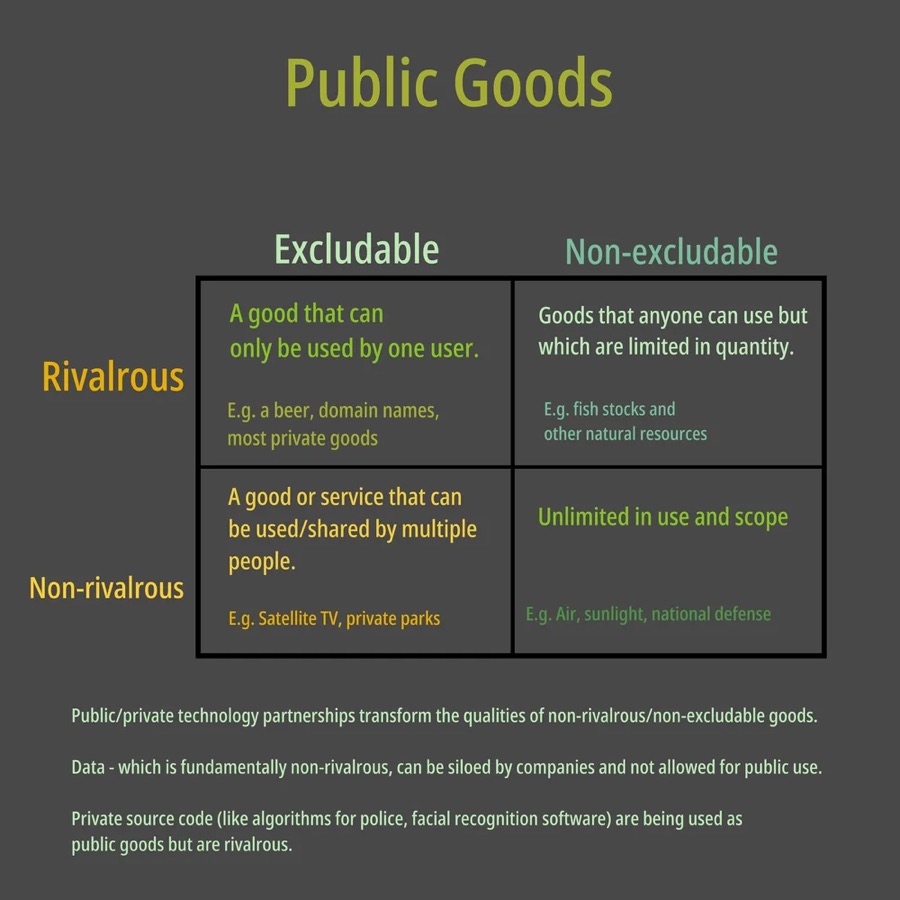
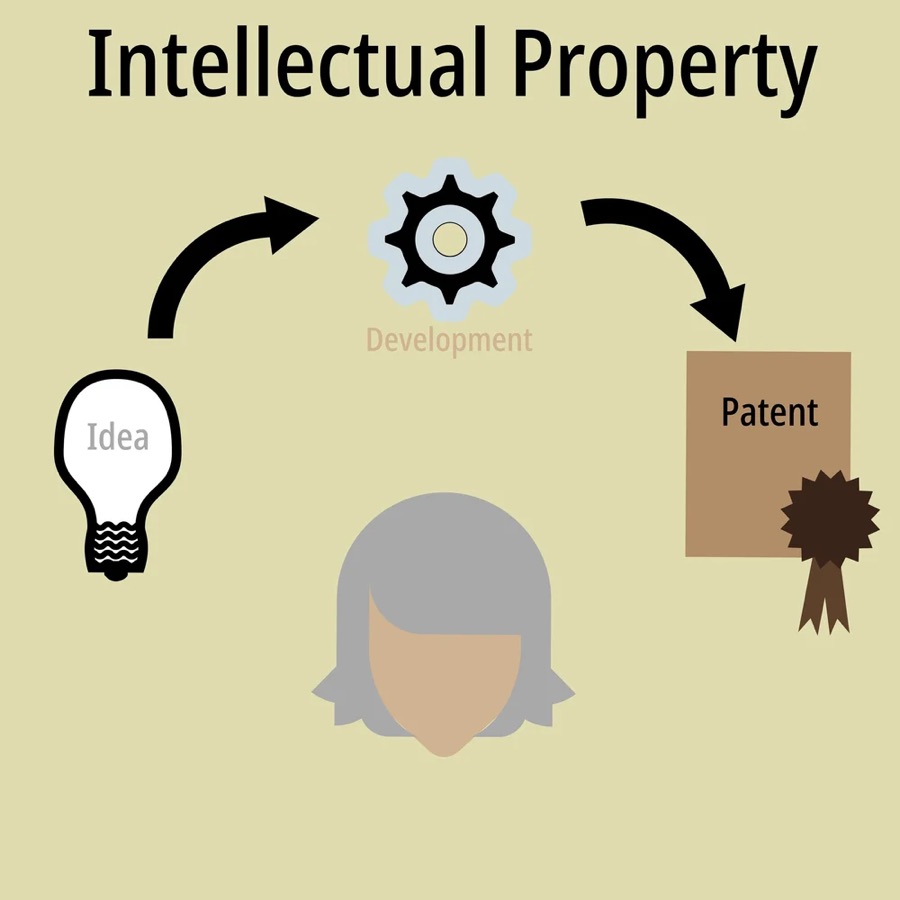
Technology as a public good
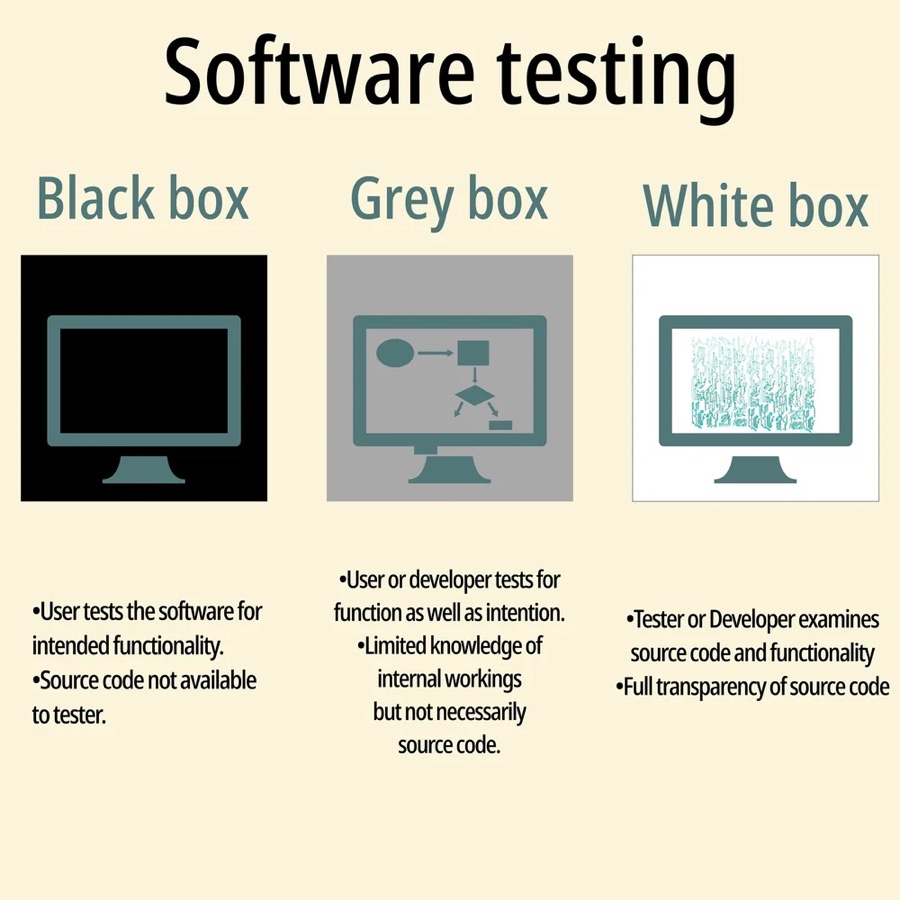
How can algorithmic regulation address government's responsibilities and challenges? One strategy lies in a form of software testing called grey box testing, which protects some of the code while allowing researchers to test the overall architecture and function of the system.
 Policy · PPI
UK Online Safety Bill (opens progressivepolicy.org in a new tab)
Parliament is debating the U.K. Online Safety Bill, which seeks to regulate harmful and illegal content on the internet for children and adults. The latest version fails to strike the right balance on content moderation versus censorship, or on privacy, by requiring users to disclose more personal data and a backdoor into encrypted messaging.
 Policy · PPI
Why is digital privacy so complicated? (opens progressivepolicy.org in a new tab)
Digital privacy is complicated because it operates on three distinct but interrelated levels: who holds rights to personal data, how that data is technically protected, and the economics of personal information. This paper lays out the privacy models of the United States, Europe, and China, with smaller sections on the United Kingdom, Canada, and India.
 Report · PPI
Investment Heroes 2023 (opens progressivepolicy.org in a new tab)
Every year, the Progressive Policy Institute analyzes the financial reports of large U.S. companies and ranks them by their capital investment in the United States. The 2023 report tracks the recovery from the pandemic: the 25 companies on the list invested $324 billion in the U.S. in 2022. Lead data analyst.
 Blog · PPI
Improving government customer service (opens progressivepolicy.org in a new tab)
President Biden is set to give his first State of the Union address on March 1. One of Biden's more recent accomplishments that could serve as an enduring theme of his presidency is an executive order quietly passed on December 13, 2021: Transforming Federal Customer Experience and Service Delivery to Rebuild Trust in Government.
 Blog · PPI
Mobile IDs would serve American consumers better (opens progressivepolicy.org in a new tab)
How can we move the humble state driver's license or ID card into the 21st century? They have two major flaws. First, showing identification cards reveals all personal information to the identifier. Second, current state IDs are only usable in-person.
 Blog · PPI
Increase chip manufacturing (opens progressivepolicy.org in a new tab)
Congress has the opportunity to increase chip manufacturing in the United States through the United States Innovation and Competition Act from the Senate, or the America COMPETES Act from the House. A stalemate over semi-unrelated trade provisions is delaying $52 billion in funding provisioned to increase production in the United States.
 Policy · jd-shapiro.com
Standards-based approach to AI safety
The Biden Administration's new executive order on Safe, Secure, and Trustworthy Artificial Intelligence gets it right. For the U.S. to forge its own path, our approach lies on the path of technical standards.
 Policy · jd-shapiro.com
Navigating the AI frontier
While some advocate a hands-off approach, the stakes are too high for unchecked AI. And here's where Congress has a critical role to play.
 Policy · jd-shapiro.com
Digital ID, Part 1
Digital identification is coming to America. There is one major problem with digitalization: how to prove who you are online securely. The key solution to this challenge being adopted around the world is the digital ID.