Get in touch
Want this for your team, or have a project in mind? Send a note and I'll get back to you.
Want this for your team, or have a project in mind? Send a note and I'll get back to you.
Public interest technologist and community organizer. I help people navigate the policy landscape, and build the operations systems, full stack applications, and agentic workflows communities run on.
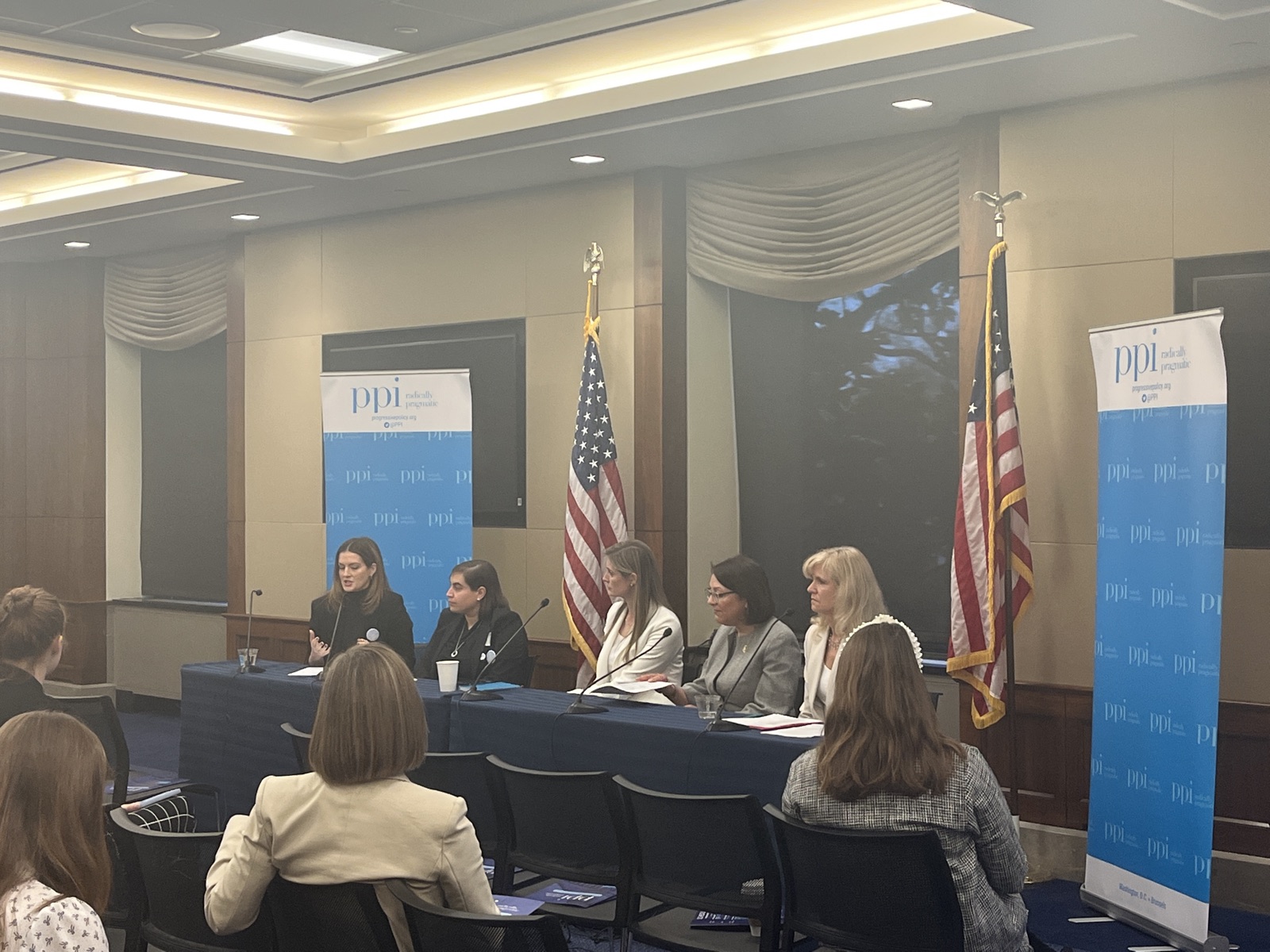
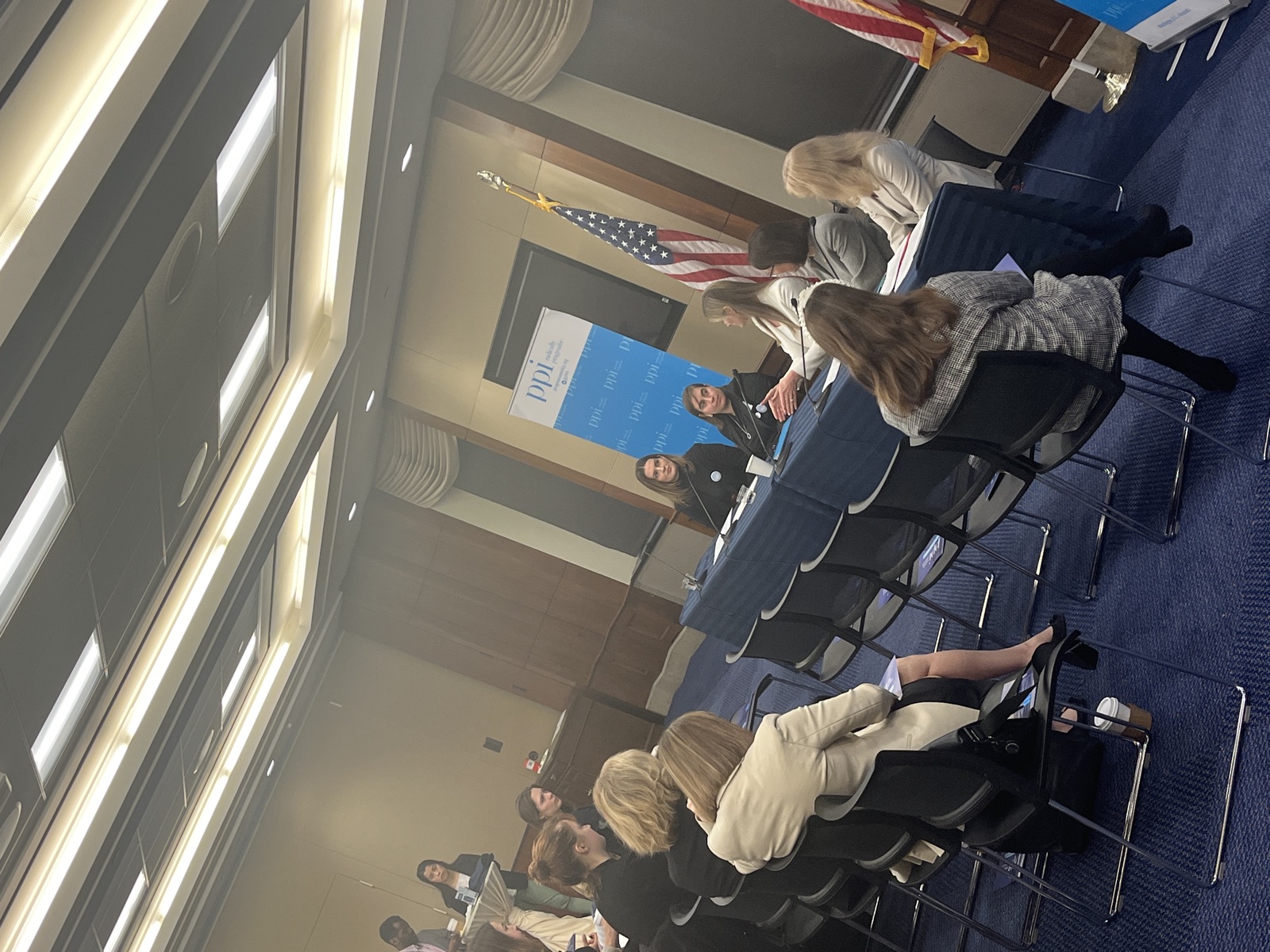
Co-moderated the Privacy in a Post-Roe World panel at the Progressive Policy Institute's first Women's History Month Forum, March 23, 2023, in the Rayburn House Office Building on Capitol Hill. Congresswoman Suzan DelBene (D-WA) spoke on the panel, and I moderated with Erin Delaney, PPI's Director of Health Care Policy.
After Roe was overturned, many states passed laws making abortion care a crime. The panel looked at what that means for getting health care, how tech companies are protecting people's health data, and the tools people can use today to keep their health information private.
Lightning talk · SPRITE+ Conference, Titanic Centre, Belfast · Wednesday 28 June 2023
Jordan Shapiro, Director, Innovation Frontier Project
Listed in the programme as “Why Can't the United States Gain Privacy Adequacy with the EU?”
Speaker for the Sprite+ Hub for Trust, Identity, Privacy, and Security.
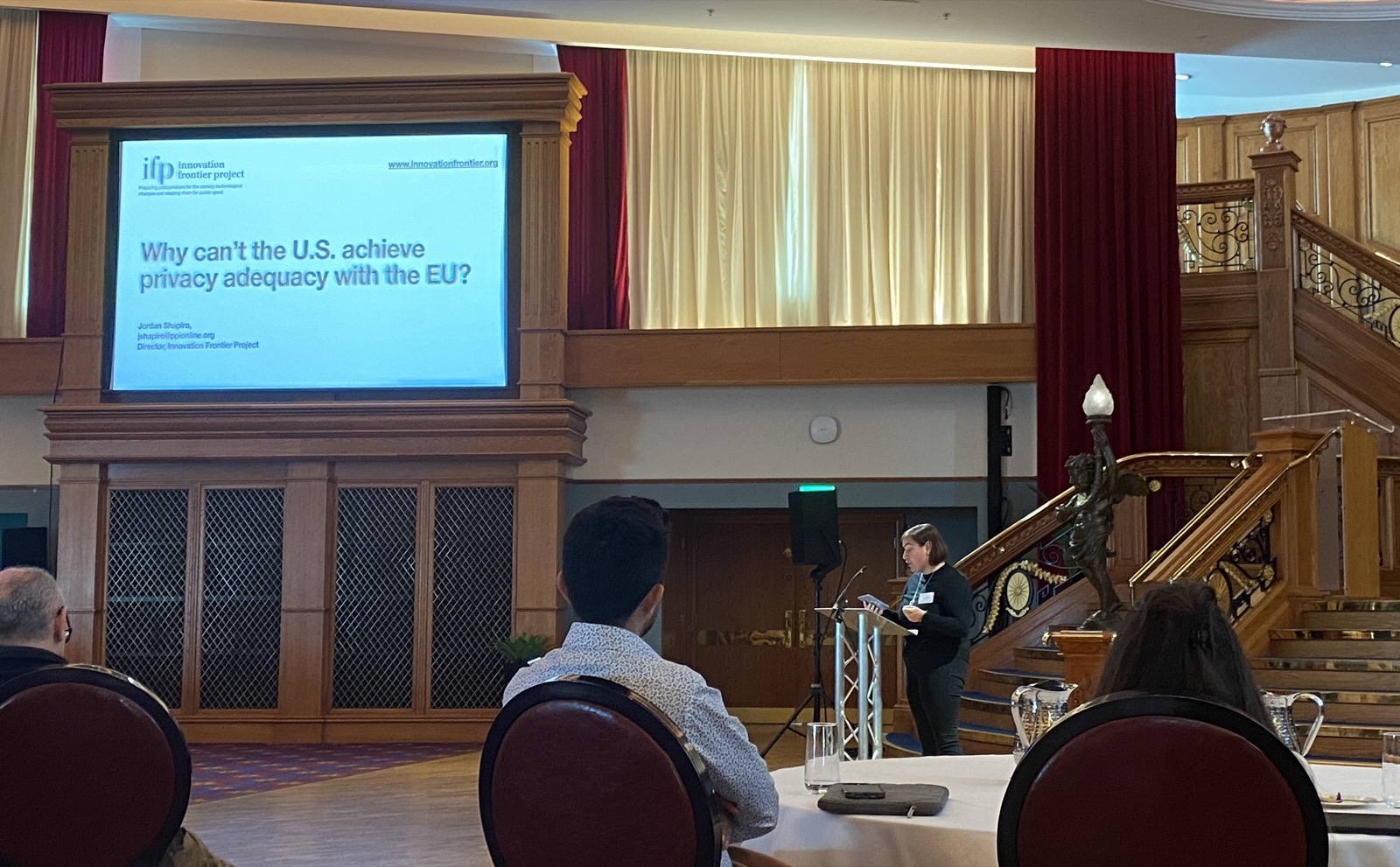
After 10 years of trying, why can’t the U.S. achieve privacy adequacy with the EU? The disagreements in the technology landscape between the United States and the European Union are well documented. Though few are as thorny as the inability to form a long-lasting agreement for transatlantic data flows: privacy adequacy.
We live in a world where the internet knows no borders, where ideas flow freely across nations thanks to technology. In this interconnected digital realm, modern democracies are facing a challenge in the realm of data privacy whereby the United States and the European Union are grappling with differences in law, culture, and approach when it comes to personal data.
The fundamental, and perhaps the most obvious reason, the United States cannot achieve privacy adequacy with the EU is due to law: the absence of a comprehensive federal privacy law in America that explicitly defines the rights of citizens and the responsibilities of businesses in handling personal data. Instead, we find a patchwork of regulations at the state and sectoral levels. It’s a complex web that makes it challenging to achieve the same level of protection and harmony as our European counterparts.
The United States came close to passing a federal privacy law in late 2022 with the American Data Privacy and Protection Act (ADPPA). This bill garnered support from three out of the four most influential Congressional committees, making it a promising option for privacy advocates in Washington, D.C. However, its progress was halted due to conflicts with state regulations, particularly the California Consumer Privacy Act, ultimately preventing it from being brought to a vote on the House floor.
While the bill encompassed several principles of the GDPR, its passage alone might not have guaranteed privacy adequacy due to the U.S. differences in culture and approach to data privacy.
Long before the implementation of the General Data Protection Regulation (GDPR), the EU emphasized the importance of stringent privacy and security measures when transferring data of its citizens beyond its borders. Current challenges on transatlantic data transfers are just the newest iteration of these differing cultural values.
In the United States, however, a different narrative unfolds. The United States’ definition of what is adequate data protection is simply different than what is considered adequate from an EU standpoint. The US holds that not all personal data requires the highest levels of data protection. More specifically, the economic and innovative utility of some types of personal data, such as that used to train artificial intelligence or for business and government intelligence, outweighs the need to protect all personal data.
Instead, the United States separates privacy needs by sector. This strategy implements privacy safeguards in place for critical areas such as health, finance, and personal data stored by the government.
These legal and cultural differences in the public-private space give rise to my final, and one of the most fundamental, reasons that the United States cannot achieve privacy adequacy with the EU: how the government perceives surveillance versus personal privacy.
The E.U. is particularly concerned about the surveillance practices by the US government and intelligence agencies. Revelations by Edward Snowden in 2013 exposed the extent of US surveillance programs, such as PRISM, which involved the collection of personal data from non-US citizens even without suspicion of wrongdoing. These surveillance practices, coupled with the lack of redress for Europeans to raise privacy violations in the United States, are inconsistent with EU data protection principles.
I’m sure familiar to people in this room, the EU requires a legal remedy in the United States for Europeans who believe their privacy has been violated, but the U.S. legal system does not have such protections.
The efforts toward ensuring transatlantic data flows by diplomats on both sides of the pond belie the challenge in finding common ground. These factors: legal, cultural, and privacy approach have all contributed to the disagreement.
The challenge we face is creating a harmonious technological future. Not a small challenge. The benefits of technology are vast and ought to be available to all. This future is at risk if internet regulations in different localities are not interoperable.
The disparities in the legal technology landscape, coupled with cultural differences and varying approaches to data privacy, have created a complex web of challenges. My work seeks to find an equilibrium where privacy rights are upheld, innovation flourishes, and the immense potential of data is unlocked. Only by bridging these gaps in a transatlantic way can we pave the way for a future where privacy and progress coexist in harmony.
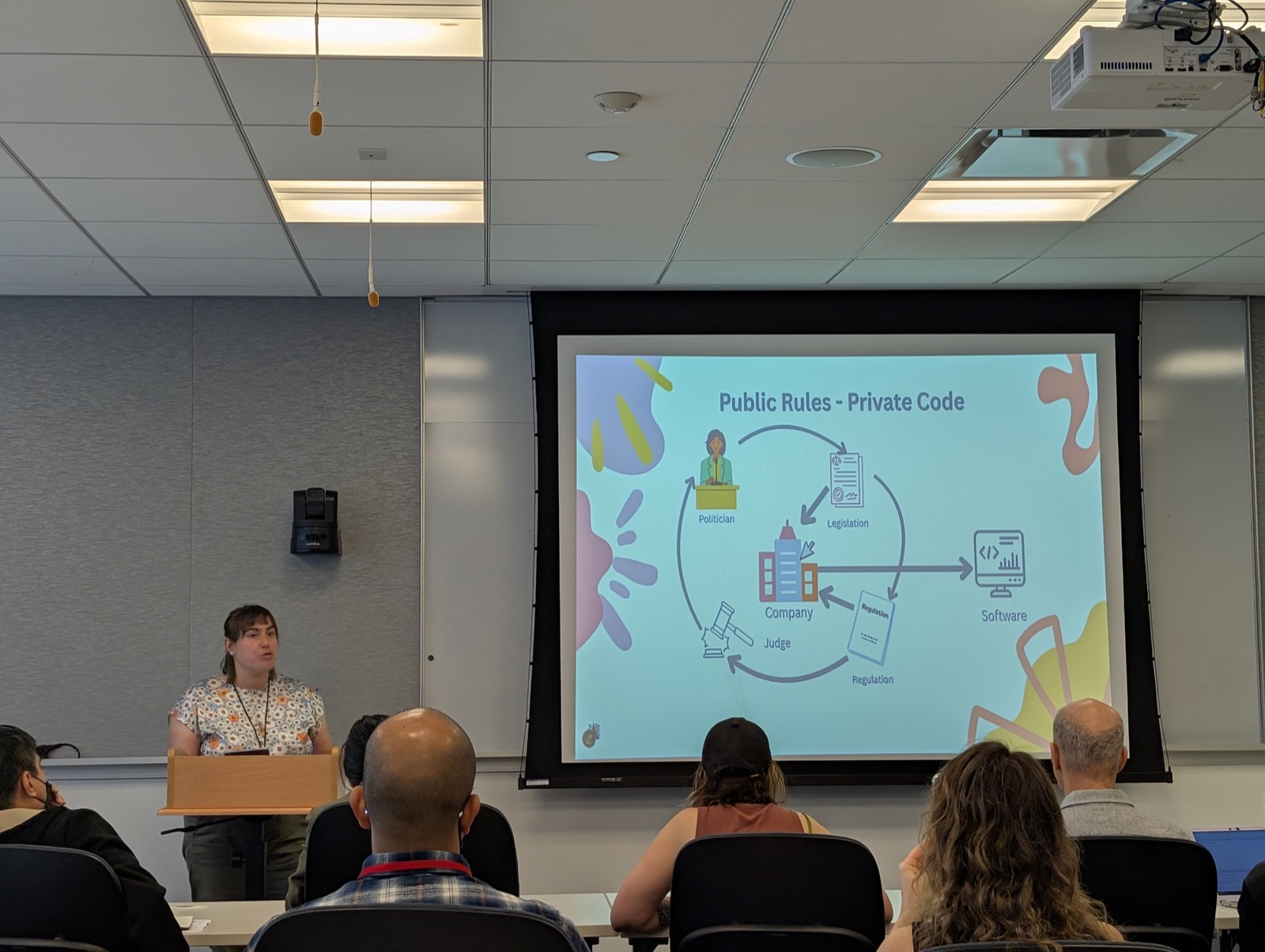
Talk at BetaNYC's School of Data 2025: Machine Readable Laws: How LLMs can help democratize NYC Administrative Code. The talk presented the NYC-Law Language Model (NYCLLM), the AI chatbot I built that answers questions about the NYC Administrative Code.
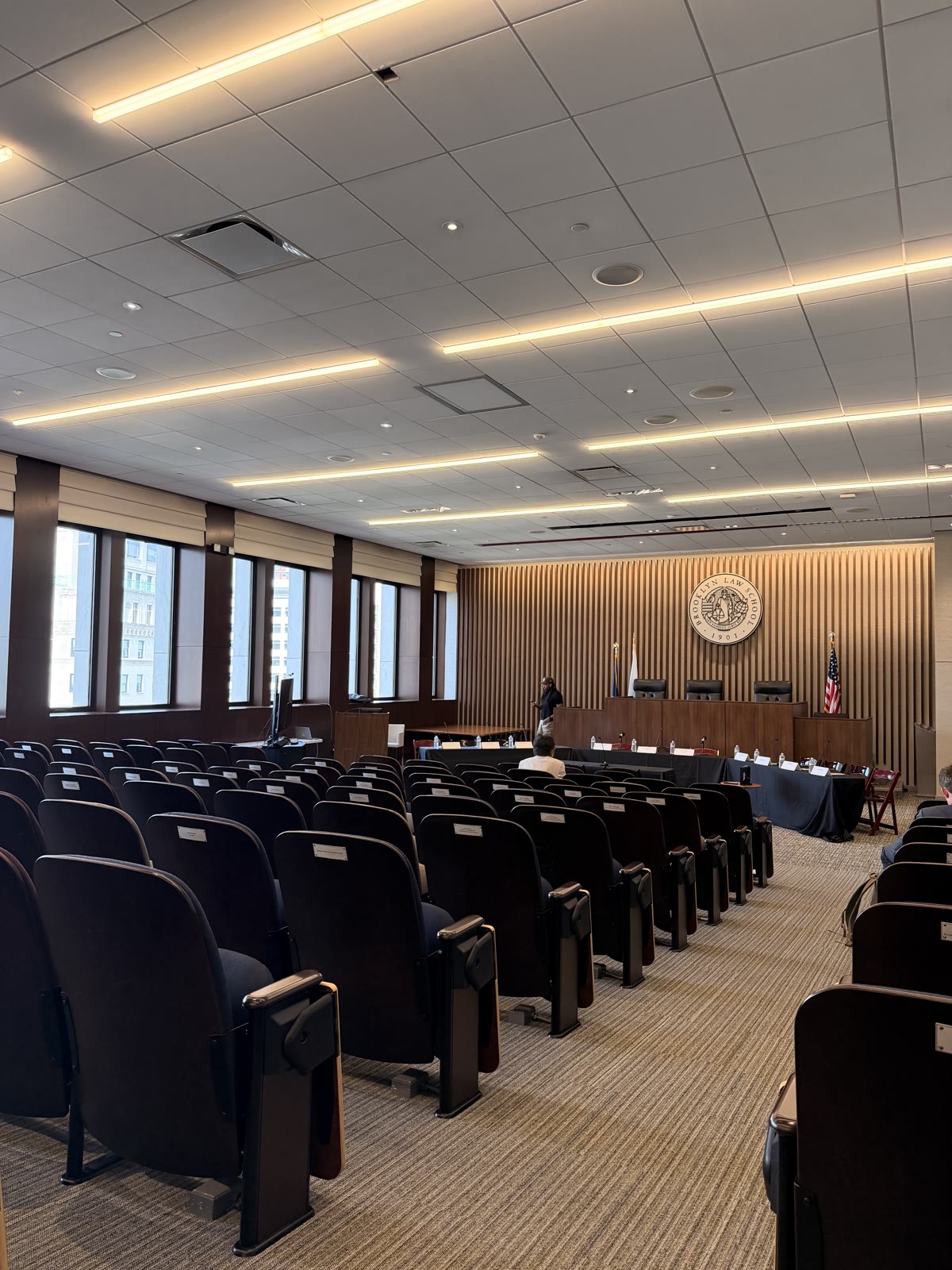
Testified on behalf of BetaNYC, as its Associate Board Program Manager, to the NYC Commission on Government Efficiency at its Brooklyn hearing at Brooklyn Law School, June 11, 2026. The Commission's final report cites the testimony (page 89) for its recommendation that the City invest in digital sovereignty.
New York City has some of the most progressive open data and transparency standards in the country, written into its own Charter, and yet the city pays a private company to host its own laws. The testimony asked the Commission to make digital sovereignty, the city's ability to own and freely control its own digital infrastructure, a core part of its efficiency mandate. The city already refused to pay a licensing fee every time a fire hydrant opened; its laws, data and services deserve the same.
It proposed three Charter updates:

Quoted on how Congress should regulate AI: name the specific harms and regulate those rather than the whole technology, and start with AI-made election misinformation.
Also published by Bloomberg Government ↗

A full episode of CNA's Insight on the US ban on exporting advanced chips and chipmaking machines to China, how Beijing is responding, and what the split means for the rest of Asia.
Quoted on using Rossum's AI data capture to analyze 2020 Georgia runoff election spending.
Without the user interface of the World Wide Web, the Internet would be much less usable by the general public. The Internet has become a global, public good, deeply integrated with everyday life. Algorithms and web services, the underlying architecture of our user experience, are primarily owned by corporations who operate these systems under closed-source intellectual property protection. Intellectual property rights effectively turn every user into a black box tester, a tester who uses software but is not permitted to see the code's structure or design.
It does not take a computer scientist to be concerned that systems that guide our shopping, our online searches, our information, and soon our cars, and maybe even our laws, are not rigorously scrutinized outside of these corporate silos. Governments, whose role is to protect citizens from potential exploitation by firms, struggle to understand their role in managing these systems. They are even adopting them, despite an under-defined regulatory environment.
Today, using user data, the major technology companies curate our personal information and purchase history, facilitate the spread of news, support the identification of criminals, and even identify some cancers and other health ailments. Soon these systems might drive our cars, police our streets, identify potential criminals before they have committed a crime, and collect and save data across various metrics to assist with their technologies.
Government occupies a unique data space with access to some of the most personal and significant data in a citizen's life, such as tax information, incarceration background, and social security data. In our personal lives, to a certain extent, we control how much and what brands of technology we bring into our homes. In the public sphere, we relinquish some control to the government who increasingly leans on technological efficiency to manage public life. What is the government's responsibility to scrutinize the (currently secret and proprietary) privately owned technologies when they are used as a form of public support and control?
How can algorithmic regulation address Government’s responsibilities and challenges? One strategy lies in a form of software testing called Grey Box testing. Grey Box testing protects some of the code, while allowing researchers to test for the overall architecture and function of the system.
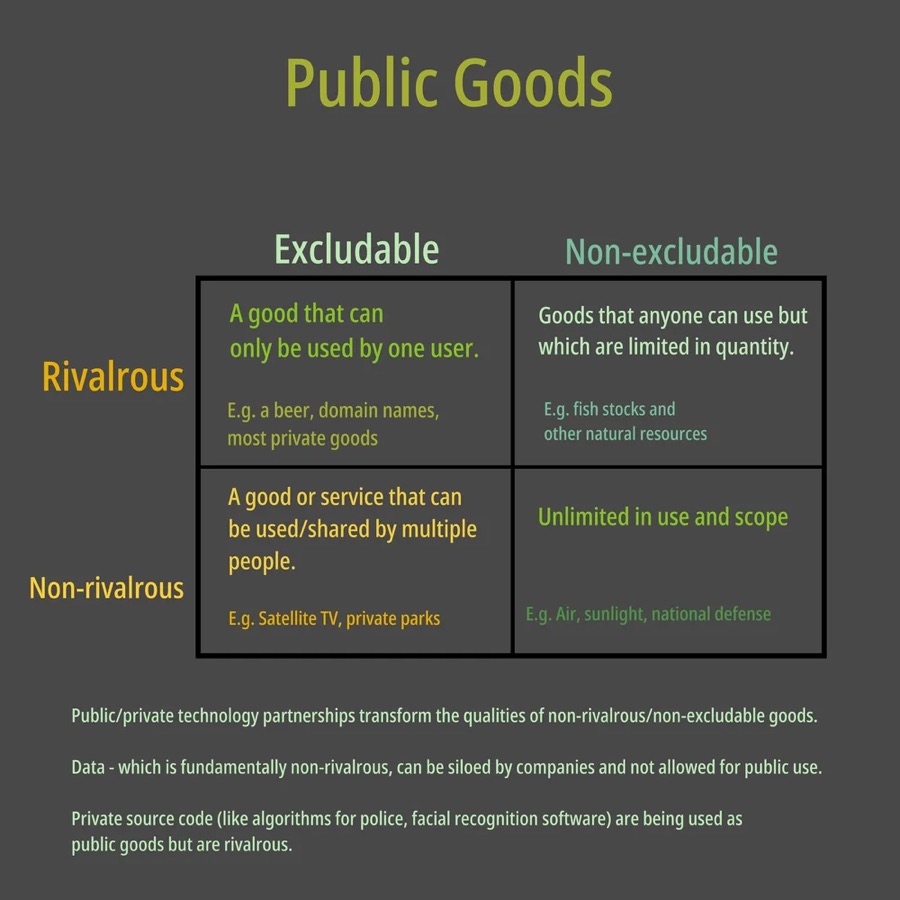
This chart describes different types of goods and where they fall in public use.
The first person to come up with a new idea, say the invention of super-sugary, coca filled, carbonated drink, or an algorithm that lets users type a query about almost anything into a site, returning specific information related to that question, gets to keep that invention as IP. Specifically, when it is not publicly registered and disclosed as a patent, it is called a trade secret, proprietary to the company, and protected by law.
These laws preclude someone from taking credit for an idea that they did not invent. If anyone could steal an idea and call it their own, there is less incentive to innovate. IP protections allow technology companies to keep their code in their silo of protected information.
Whether for public or private use, the law treats intellectual property algorithms the same. Publically funded machine learning for police facial recognition software or a private company's free website, like Google search and Facebook's content curation algorithm, are all protected.
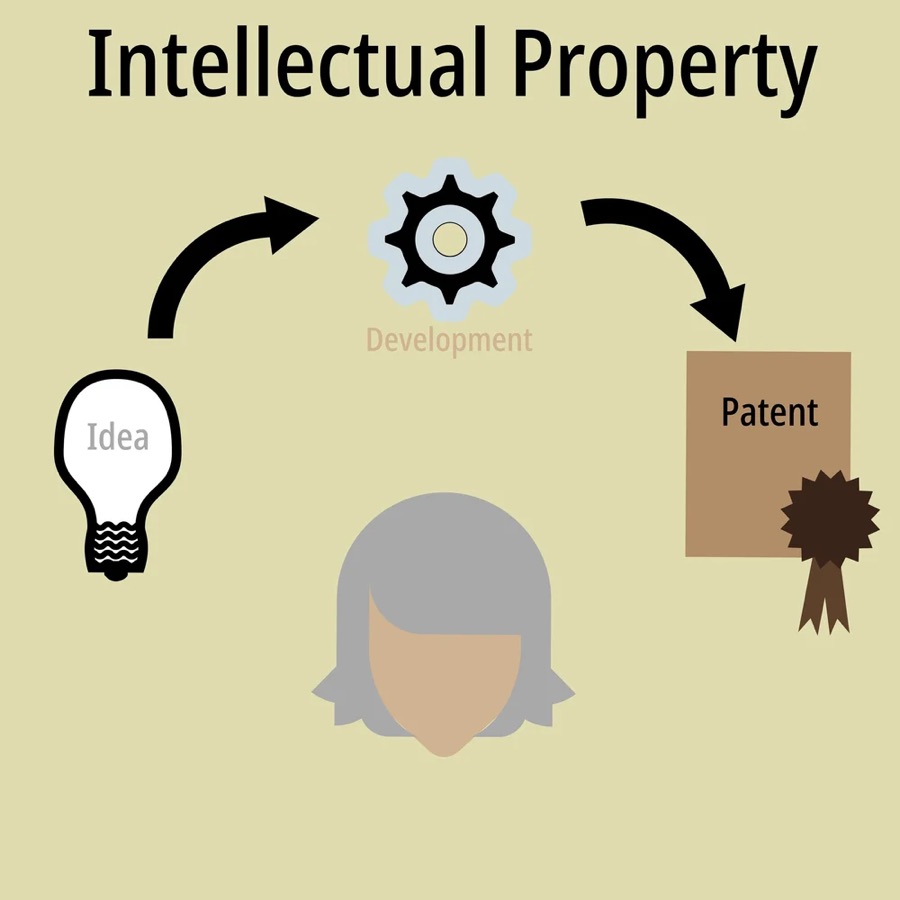
The distinction to be made here is that if technology executes laws, such as in the police example, it is drawing from a power previously monopolized by the state; only the state has the authority to arrest wrongdoers. Placing that control in the hands of algorithms, which are private companies' intellectual property, outsources some of the government's power and responsibility to firms.
In a democracy, the public endows the governments with a mandate to rule, entrusting to them the legitimate use of force to create and uphold standards for citizen rights, among other things. In modern capitalist Democracies, firms are often thought to be more efficient in developing and deploying technology and services. Efficiency, however, is not the only metric important to the public good. It would be a mistake to assume firms' incentives to develop and implement technology mirror those of the government.
Increasing reliance on private software, which governments are often not legally permitted to evaluate, diminishes the government's ability to ensure these services are distributed equitably, with citizen privacy at the forefront. The challenge is to review the code and build privacy rights that do not diminish the intellectual property rights that spur innovation.
In the current regulatory framework, much of the code included in public systems is private, exclusive, and secret. If a local municipality insisted that a company operating traffic cameras add anti-bias functions into those cameras, that code would still be the firm's property. Firms are not obligated to share code with the local government even if it determines who receives parking tickets or enforces speed laws.
If governments seek to retain control, one method is to curate carefully restricted access to some of the software design, white box testing. Google's search algorithm will likely never move into the open-source realm, and doing so might disincentivize innovation. However, suppose Google were to design a public system. In that case, the government could create a white box testing task force, allowing them to test the software in a highly protected and secure environment to ensure that it adhered to equality standards and other laws.
White box testing allows a programmer to see the internal design and infrastructure of software for evaluation purposes. It is a highly technical form of testing, requiring the tester to know the source code's inner workings to evaluate its purpose and function in a real-world context.
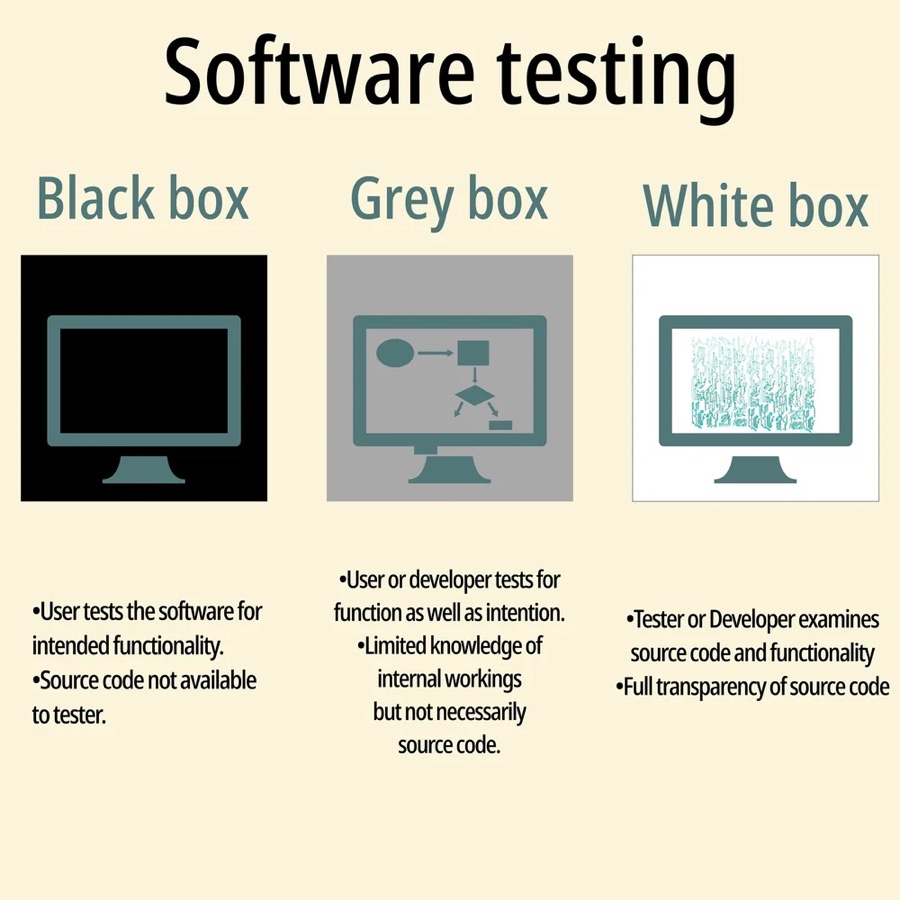
In this case, positioning the tester, governments, to define the level of bias that is acceptable (acknowledging that no system is wholly free from bias), test for it, and mandate modifications to the software if it is not performing to the accepted level. In some cases, they could even develop a patch or additional code requirements for technology in public use, standardizing government anti-bias implementation.
Government led-white box testing does not fully solve the intellectual property debate. Depending on the software, governments may need access to some of the most lucrative and secret algorithms and code in the world, which some firms may not be willing to provide.
The current setup governments relinquish power over citizen rights and privacy to private firms. Changing the locus of power may diminish trust in digital governance and fundamentally change the power structure of modern democracy. In the public sphere, transparent standards for technology are a government responsibility.
The balance between encouraging innovation, particularly innovation in governance, while protecting citizens from firms' interests, is not a one-size-fits-all solution. Using a secure, white-box testing situation such as the one proposed in this article begins to set up a framework for increased governmental oversight of the digital, public services that may soon be integrated into our daily lives.
Build your own AI executive assistant: one that helps you manage your projects, keeps track of what your business needs, and takes on the time-consuming, repetitive tasks that keep a business running.
The prompt works with any AI coding assistant that can create files and folders, like Claude Code, Codex or GitHub Copilot. It sets up the whole system for you. It starts by asking about you and your work: your business, your team, your priorities and projects, how you like to communicate, and your brand and audience. From your answers it builds the folders, project files, brand guide and operating guides your assistant works from. It also gives your assistant a daily memory, so each session picks up where the last one left off, and a wrap-up routine at the end of every session.
Coming soon: a governance layer for your assistant. It turns a responsible AI policy into instructions your assistant follows. That way you can show how your system handles AI's known weak spots, like making things up, agreeing too easily, and being relied on too much.
Built the project's first Python pipeline against the SEC EDGAR API, replacing manual collection, for a ten-year dataset estimating Fortune 500 U.S. capital spending.
One Excel workbook that tracks a volunteer group's meetings, event participation, funds raised and attendance, all in one place.
The screenshots below use synthetic data: the names, events and numbers are made up for this example.
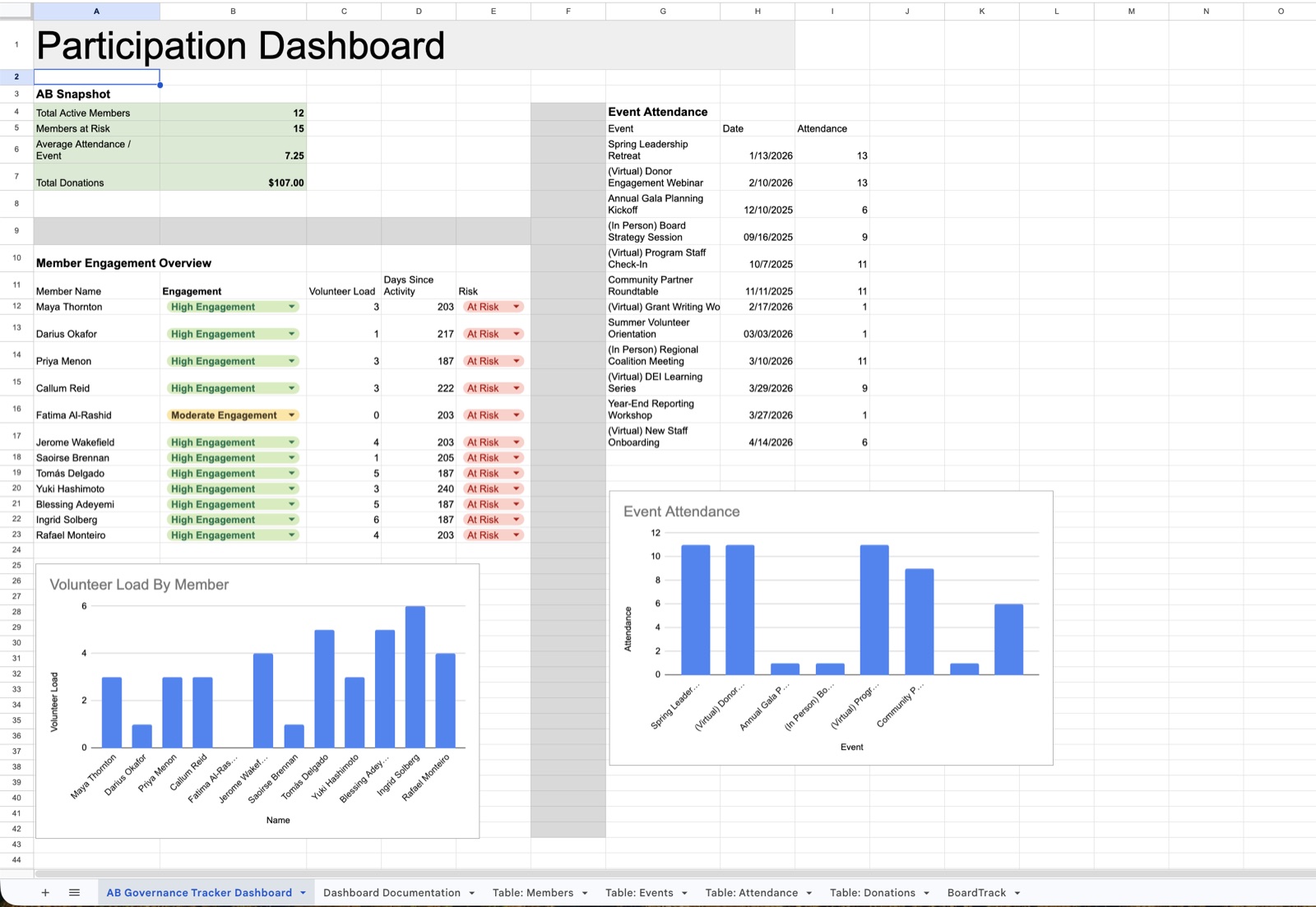 Dashboard ↗
The front page: active members, members at risk, average attendance per event and total donations, with charts of each member's volunteer load and attendance at each event.
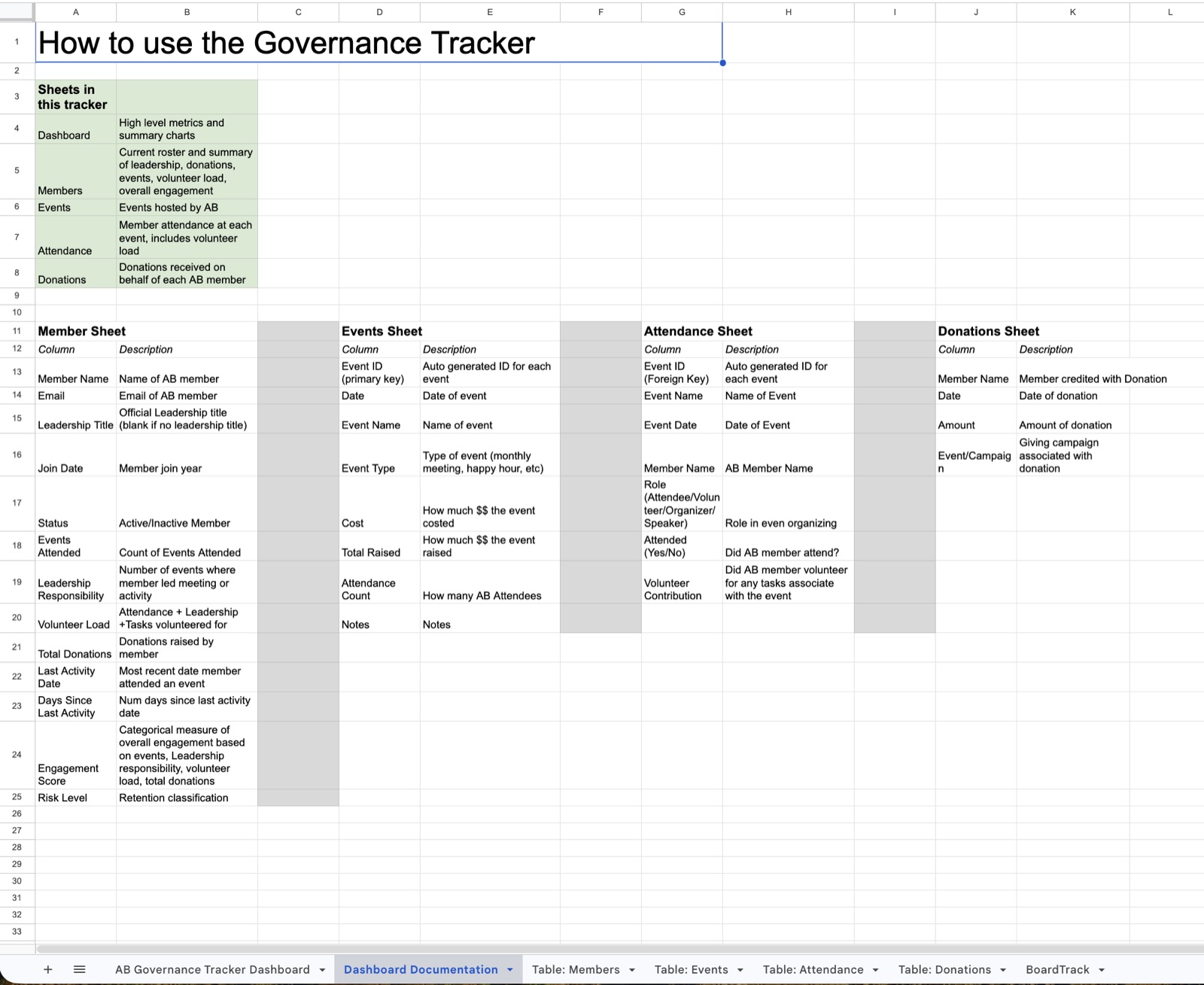 How to use it ↗
A guide to every sheet and column, so whoever runs the group next can keep it up to date.
 Members ↗
One row per member: events attended, leadership roles, volunteer load, donations, days since their last activity, and an engagement score and risk level worked out from those.
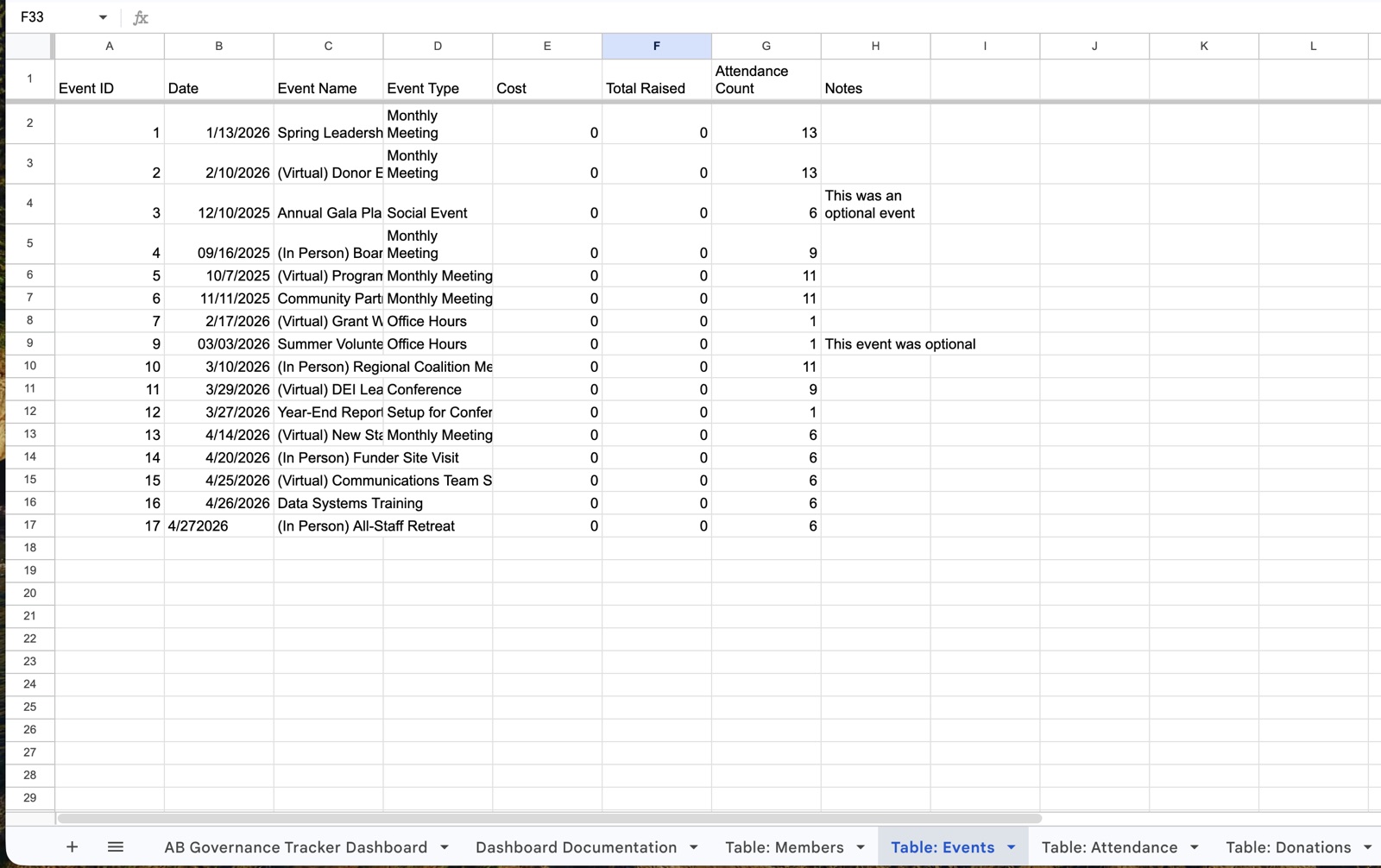 Events ↗
Every meeting and event, with its date, type, cost, money raised and how many members came.
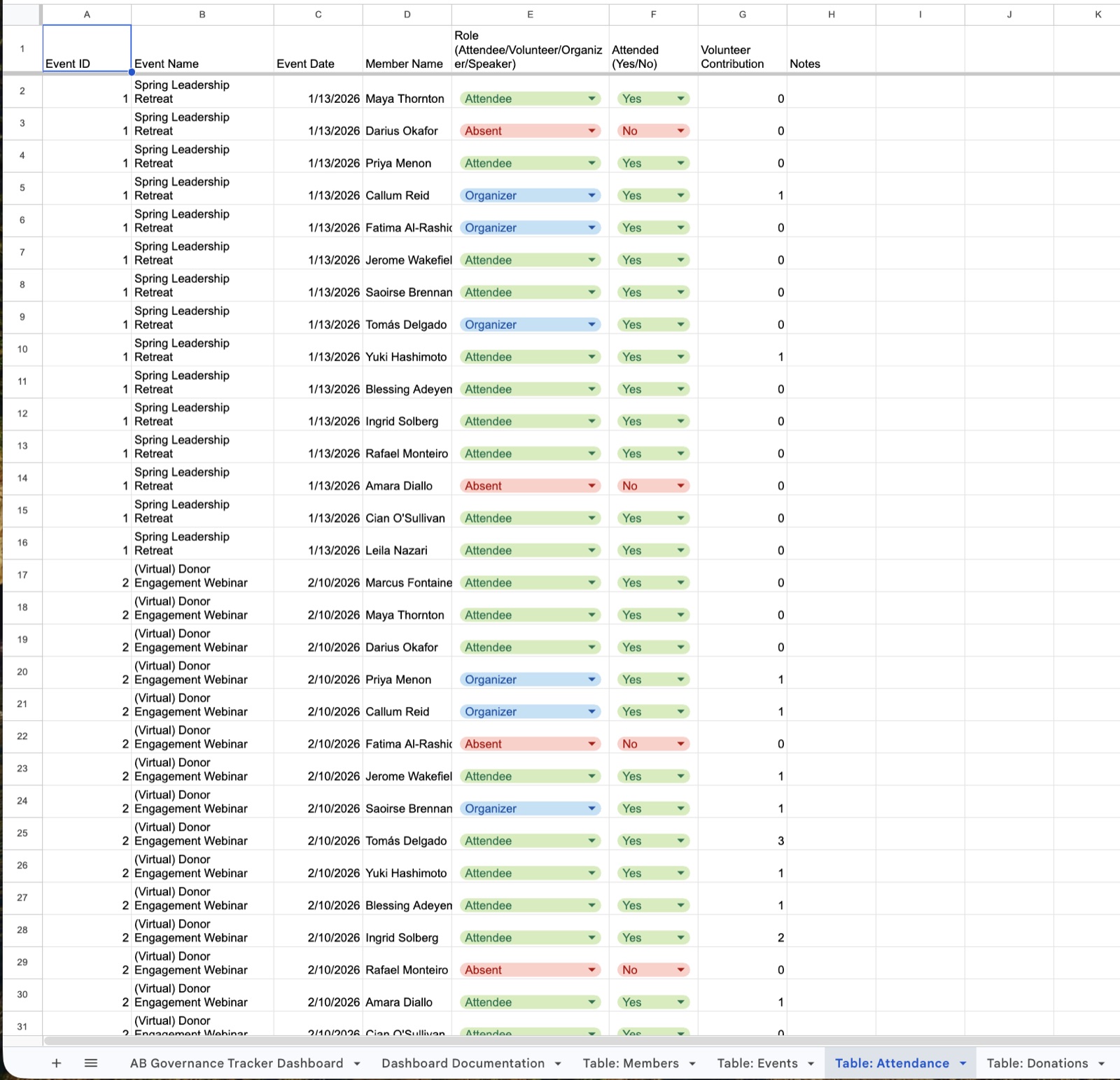 Attendance ↗
Who came to each event, in what role (attendee, organizer, volunteer or speaker), and how much they volunteered.
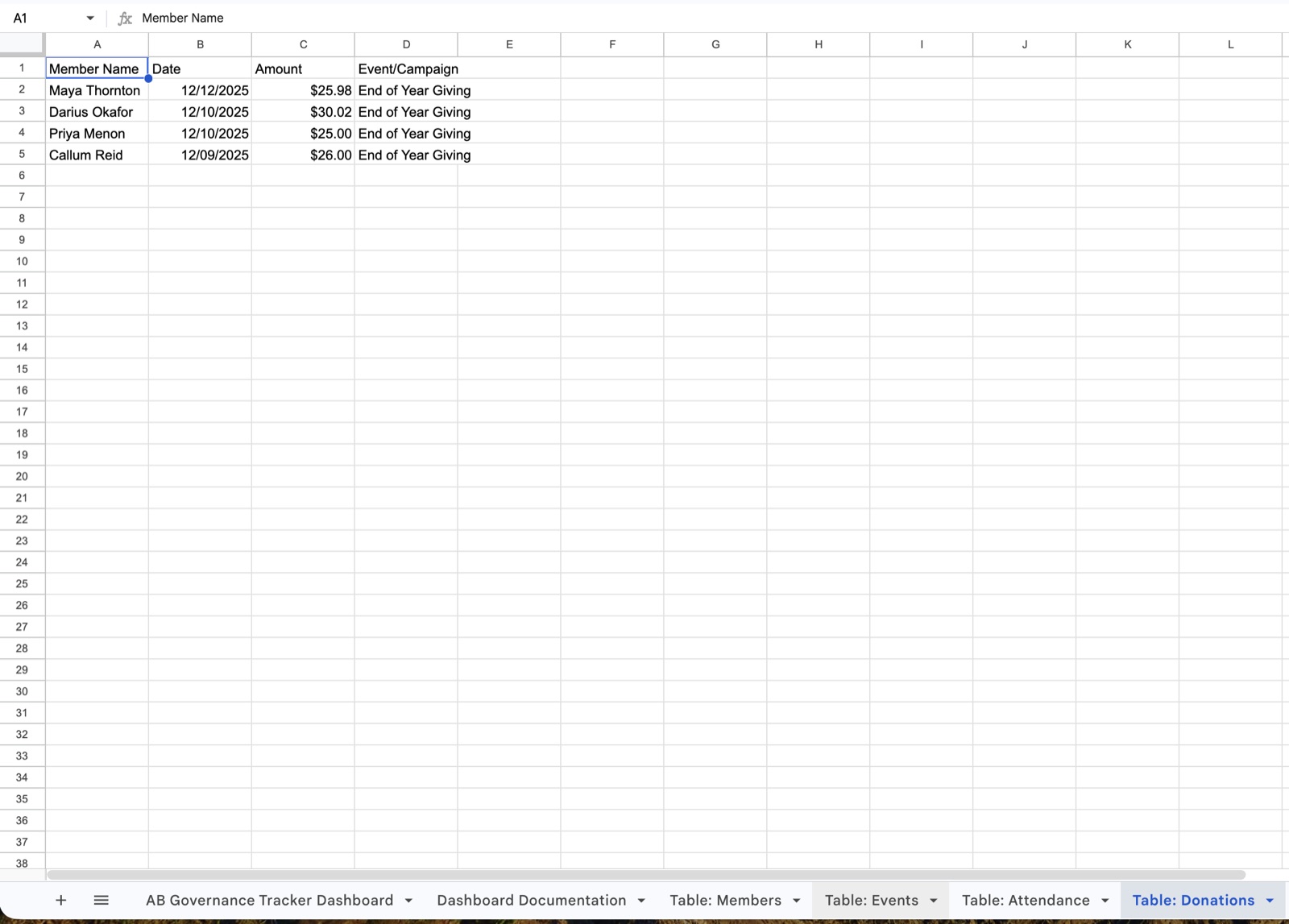 Donations ↗
Each donation, credited to the member who raised it, with the campaign it belongs to.
The Biden Administration’s new executive order on Safe, Secure, and Trustworthy Artificial Intelligence gets it right. For the U.S. to forge its own path, our approach lies on the path of technical standards.
The United States stands at a pivotal moment in the evolution of Artificial Intelligence (AI). AI is rapidly integrating into our daily lives and economy, everywhere from chatbots powered by generative AI to synthesizing novel antibiotics. The question of how to best embrace the promise of this technology while ensuring unbiased and ethical deployment is pressing.
The European Union’s AI Act, expected to pass by year-end, is poised to establish one standard for global AI regulation. Their approach is a principles-based approach, setting out ethical guidelines for safe use of AI.
Although, by-and-large, the U.S. and EU agree on the principles of “do no harm” with AI, the EU path is not favored by the U.S. because of challenges with interpretability and enforcement. For example, take the principle of AI transparency. Current AI models use neural networks to make decisions, not unlike the human brain, how the AI comes to it’s decision is unknown, sometimes called the AI black box problem. Thus, it will be arduous to translate the broad intentions behind “transparency” into clear guidelines for industry to follow.
The U.S. is taking a different approach, with the Biden Administration’s new Executive Order (EO) on Safe, Secure, and Trustworthy Artificial Intelligence. The EO diverges from emphasizing broad principles, such as "transparency." Instead, tasks entities such as the National Institute of Standards (NIST) with the explicit responsibility of developing standards and tests for industries to assess the societal impact of their algorithms.
In Europe, bureaucrats set the rules; in America, it's time to unleash engineers to shape the future.
Making automobiles safe
Standards-informed policymaking is not new. In the early days of the personal automotive, federal and state legislation on technical safety standards were nonexistent. Lawmakers instead focused on human behavior, such as Connecticut’s statewide speed limit law passed in 1901 or New York’s 1910 anti-drunk driving law.
The absence of lawmaker attention did not translate into a deficiency in safety standards.
Parallel with state-level policies, the Society of Automotive Engineers (SAE), founded in 1905, set engineering and other technical standards.
It took fifty years for Congress to authorize the formation of the Department of Transportation (DOT) to manage and streamline car safety and traffic rules. And even another sixteen years after that before Congress directed the DOT to create what would become the Federal Motor Vehicle Safety Standards.
The key lesson for AI is that legislators did not attempt to codify technical definitions and standards in legislation, they used pre-created safety standards by the SAE to set minimum, pre-defined safety requirements.
This process illustrates a viable pathway for regulating AI. Policymakers should draw from technical standards and best practices such as those developed by the National Institute of Standards (NIST). Then, create bespoke, harm-based policies to navigate the complex challenges posed by this advancing technology.
Standards: The Bedrock of Fairness and Safety
The United States has always been a leader at technical standards. Because they are founded in what is technically possible, they offer a clearer benchmark for developers, users, and policymakers.
The National Institute of Standards’ (NIST), work on AI already gets to the heart of the goals set by policymakers for clear, fair, and ethical AI rules and regulations.
The NIST Risk-Management Framework for AI focuses on risks for consumers and organizations in the design and deployment of AI. Their ongoing work in AI measurement and evaluation seeks to identify measurable standards for AI bias, transparency, and accuracy. Finally, NIST is a global leader in developing technical standards and is working cross-sectorally to design and implement trustworthy and responsible AI development standards. They are coordinating with federal government agencies like the Office of Personal Management (OPM) and the National Security Agency (NSA) agencies to align AI use with NIST standards.
By adhering to established standards, industries can be confident in the ethicality and safety of their AI applications. Similarly, standards evolve more quickly than legislation. As technology advances and new challenges emerge, adapt, ensuring continued relevance.
Concluding Thoughts: Standards First, Legislation Next
The EU is pursuing a legislation-first, standards-second model. However, given the rapidly evolving nature of AI and its myriad applications, reversing the process may be the most effective way to manage the harms of AI in the U.S.
With clear standards in place for AI development and deployment, Congress’s role in AI policy is clear: addressing any consumer or competition-focused gaps and, where necessary, enacting the most crucial standards into law.
This legislation wouldn't replace or supersede the standards but complement them. It would identify any gaps or areas where the standards might not be enough, ensuring a comprehensive regulatory framework.
The future of AI in the United States hinges on achieving a delicate balance between innovation and regulation. Embracing an approach grounded in standards and complemented by targeted legislation ensures that AI thrives ethically and safely.
As the 21st century unfolds, artificial intelligence (AI) emerges as a transformative force, reshaping industries and societal norms. Yet, this surge in AI raises pressing questions about its regulation and oversight. While some advocate a hands-off approach, the stakes are too high for unchecked AI. And here's where Congress has a critical role to play.
Debates continue on the intricacies of AI-specific laws, there are important steps that Congress can and should take now. First, equip and empower regulators for effective oversight. Second, updating laws to reflect the advancement of AI. Third, educate the public on AI safety and responsibility.
A Diverse AI Landscape Needs Regulatory Oversight
The diverse applications of AI, from healthcare diagnostics to financial forecasting, means that no single regulatory body can oversee all AI implementations effectively. Many different regulators, each with unique mandates and expertise, grapple with AI's challenges in their domains. For instance, the Food and Drug Administration (FDA) oversees AI in medical devices, while the Securities and Exchange Commission (SEC) will grapple with AI's role in investment and trading.
As it stands, each of these agencies are vetting AI rules and products within their own jurisdiction with very few unifying principles, like standards for data privacy or risk.
President Biden’s October 2023 Executive Order on the Safe, Secure, and Trustworthy Development and Use of Artificial Intelligence, seeks to do just that by “advancing a coordinated, Federal Government-wide approach” to harness AI for good.
This document outlines principles for protecting privacy, adhering to equity and civil rights, and supporting federal agencies procurement of AI tools.
Similarly, Lina Kahn, Chair of the Federal Trade Commission (FTC), has stated that there is no regulatory exception for AI, and the agency will monitor harmful use of the systems. All other regulatory agencies need to take up this mantle and develop clear rules for AI in their sectors.
However, there are three challenges with the current approach.
First, regulatory bodies, designed for pre-AI eras, often lack the expertise, tools, and resources to effectively regulate the new challenges posed by AI.
Second, already we’ve seen that AI deployed in critical sectors, such as health and justice, are unfair and perpetuate bias. While there are currently no solutions to make algorithms completely fair, it is essential that regulators are empowered to set safe rules for AI use in their jurisdiction. But without the necessary coordination and resources, they're fighting an uphill battle.
Finally, those resources to establish long-lasting coordination can only come from Congress. While an Executive Order represents a powerful mandate, it can be easily overturned by future Presidents who disagree with the document. Congress is needed to appropriate the necessary resources and establish legally enforceable rules around AI.
Congress has a role to play
Congress must focus on empowering regulators, setting standards, and educating the public on the beneficial use of AI.
Congress must focus on empowering regulators, setting standards, and educating the public on the beneficial use of AI. Funding should be increased for regulatory agencies to address AI challenges, allowing them to hire experts, invest in technological tools, and conduct research.
Beyond funding, Congress should empower regulators with clearer mandates regarding AI oversight. Questions about defining bias in AI systems, personal data privacy rights, and companies' data handling rules need answers.
The National Institute of Standards (NIST), is taking the mantle of these questions. Through a multi-stakeholder consortium, and inter-agency collaboration, NIST is giving America a seat at the table in defining standards for AI safety. However, neither NIST’s work or the Executive Order facilitate legally binding rules for the public or private sector’s use of AI.
Similarly, but more challengingly, Congress may need to update older legislation to reflect the new realities of AI.
Just as Congress enacted the Financial Services Modernization Act in 1999 which established data privacy protections in finance and allocates funding for increased telehealth in the annual budget, it can similarly address AI. While data privacy and telehealth are now common, they were once novel ideas that required legislative action from Congress.
Lastly, Congress can promote public engagement and education initiatives related to AI. An informed public plays a crucial role in guiding regulators by directing their attention toward the most significant sources of harm. It also helps in creating informed discussions and policy discussions while also ensuring that AI development aligns with public values and expectations.
Regulation: A Balancing Act
Calling for Congress to step up isn't a call for over-regulation. The U.S. thrives on innovation, and its tech sector is a testament to entrepreneurship unhindered by bureaucratic red tape. However, AI presents challenges that, if unchecked, could have societal repercussions.
By providing regulators with the resources they need, Congress isn't stifling innovation. It's about ensuring that as AI blazes new trails, it aligns with pre-established rules and values.
Looking Ahead: A Proactive Stance
The rapid evolution of AI means that a reactive stance is insufficient. By the time legislation catches current challenges with AI, the industry might have already moved on; the rapid rise of generative AI has demonstrated the challenges of legislating past iterations of AI.
The Executive Branch and NIST are standing up to define rules for safe use of AI, but neither entity is sufficient to realize that mission.
Congress’s role in this landscape, is not to micromanage AI's every move but by ensuring that those tasked with its oversight have everything they need to do their jobs effectively.
The future of AI in America can be bright, innovative, and ethically grounded. By equipping, empowering, and educating regulators, Congress can ensure it's a future we can all look forward to.
Digital identification is coming to America.
With the proliferation of computers, smart phones, and internet access, many services that were once only available in person or through traditional means have moved online. This digital transformation has made it easier for people to access a wide range of services, such as banking, shopping, communication, entertainment, and even healthcare, from the comfort of their homes or on-the-go.
Digital services offer more transparency, faster information sharing, and better engagement with citizens.1 But there is one major problem with digitalization: how to prove who you are online securely. Without structures to confirm identity online, there are no checks on fraud for online services. Online identity verification is not just a government problem, private companies, too, find themselves at the forefront of the online identity challenge. New regulations are placing companies in charge of verifying online identity, especially for young users.
The key solution to this challenge being adopted around the world is the digital ID.
Board manager, 2025.
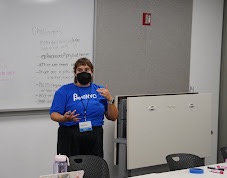
CityCamp is an unconference hosted in New York by BetaNYC. The people who come pitch the sessions, vote on them with stickers, and run them themselves. Residents, government staff, advocates and technologists spend the day working on how the city runs.
I managed the session board.
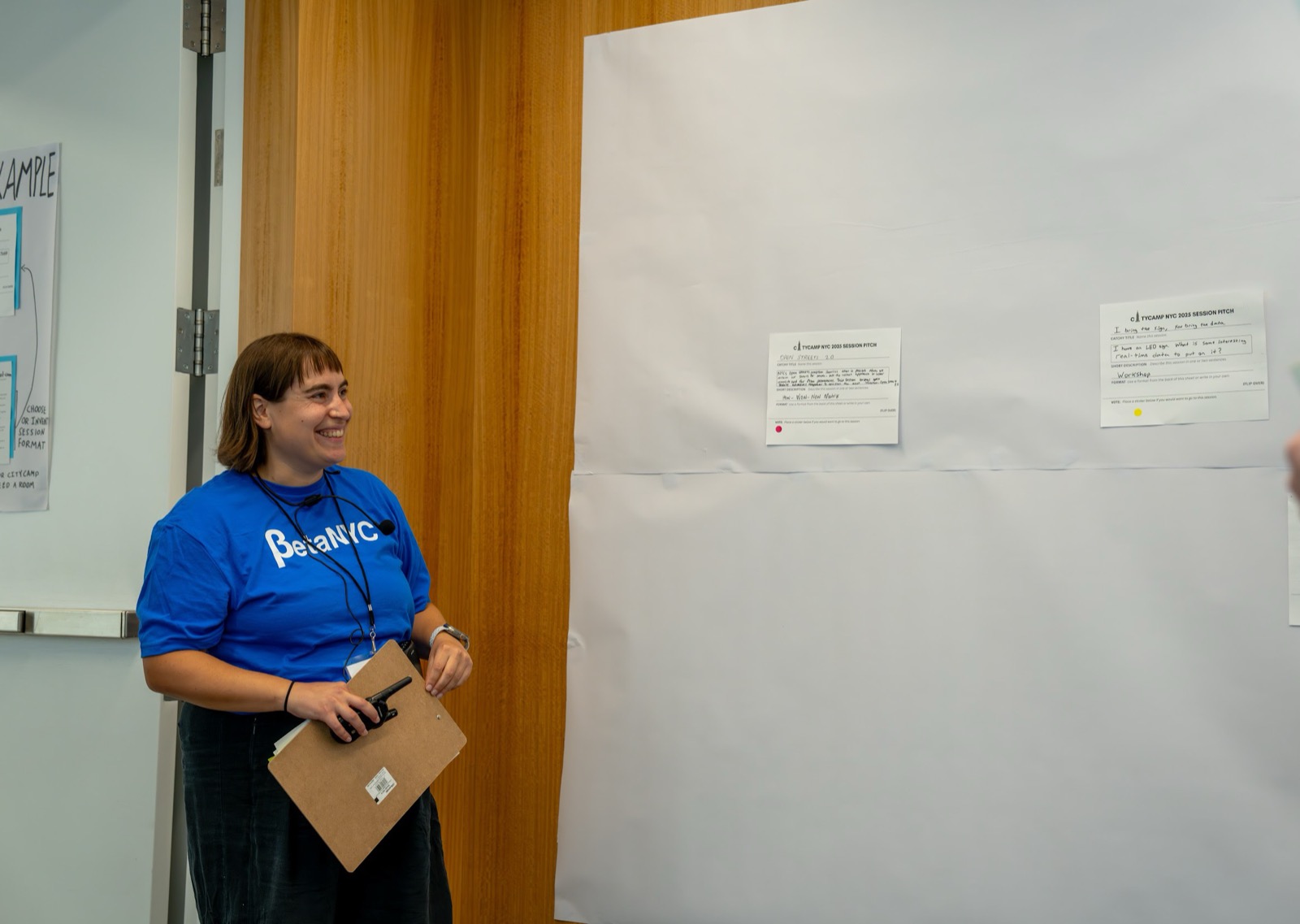
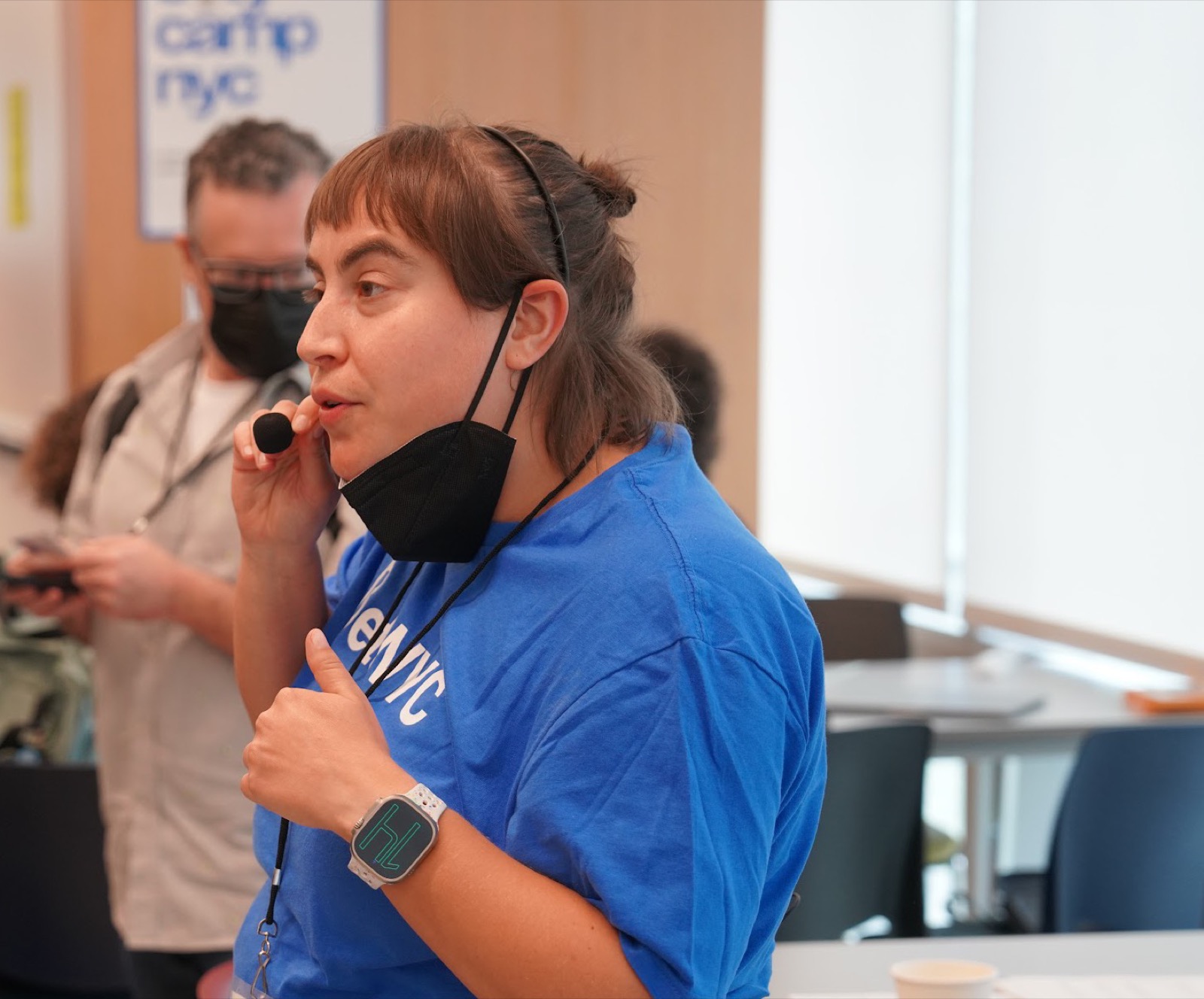
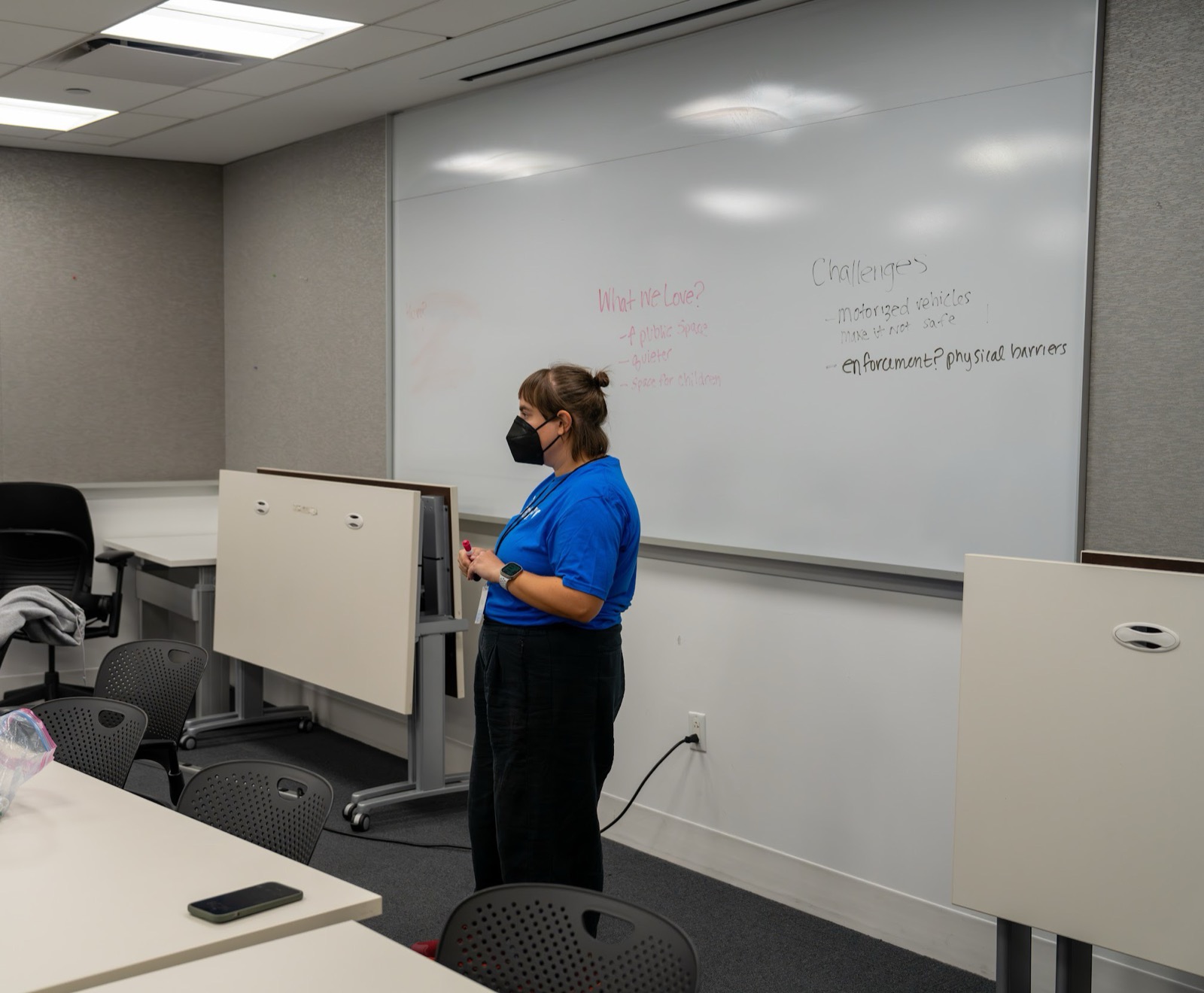
I facilitated a peer-led unconference session on improving NYC Open Streets.

Program manager and volunteer manager, 2026.
CityCamp is BetaNYC's yearly unconference in New York. There is no set agenda: the people who come pitch the sessions, then find the others who care about the same topic and run the session together. Neighbors, advocates, public servants and technologists spend the day on how the city works. On Saturday, September 19, 2026, 235 New Yorkers met at Hunter College and ran forty sessions across ten rooms.
I was the program manager and the volunteer manager, leading a team of 60 volunteers.
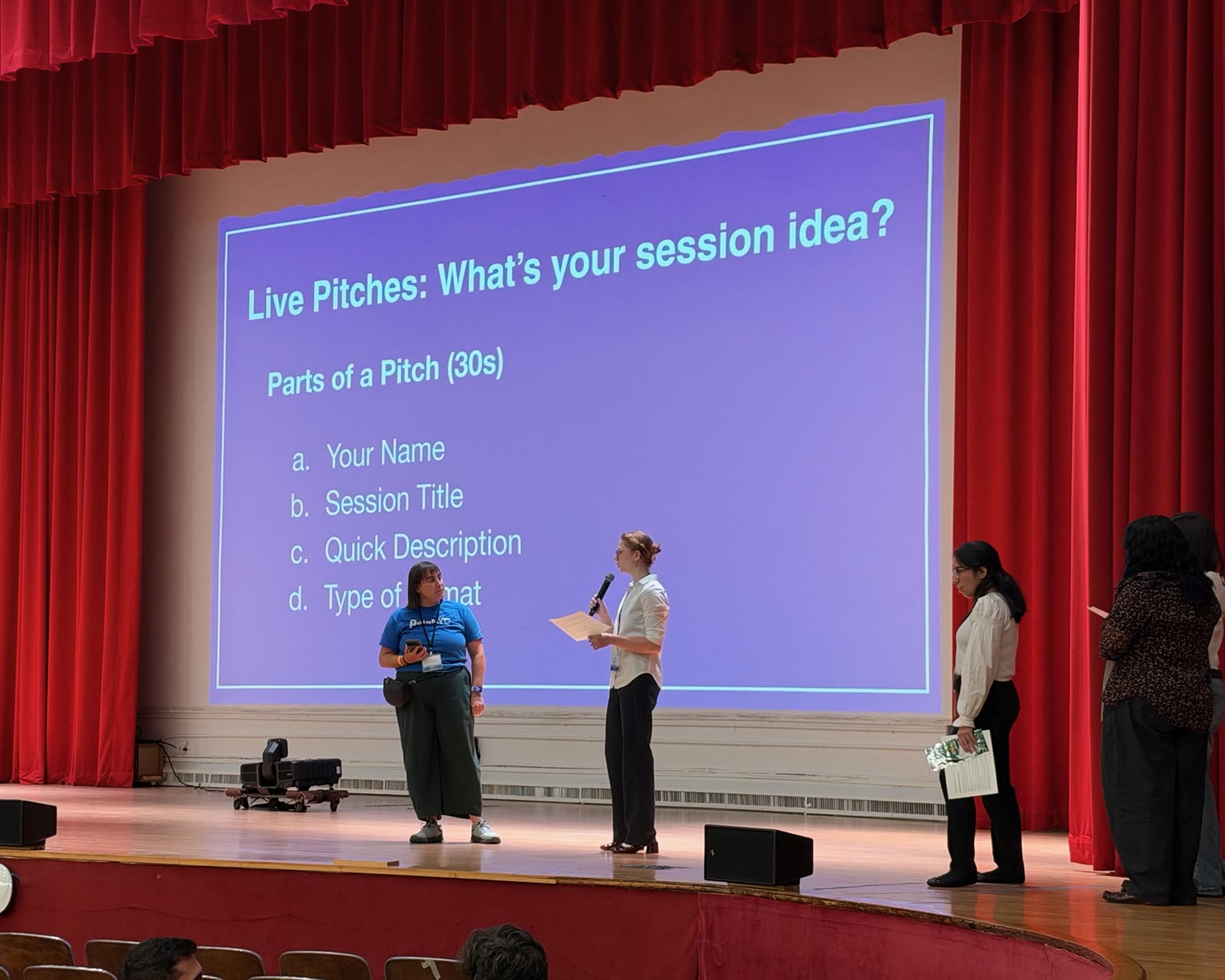
I gave part of the opening remarks, introducing CityCamp NYC as a community unconference.

Volunteer manager and event planning assistant for both School of Data and Unschool of Data, 2026.
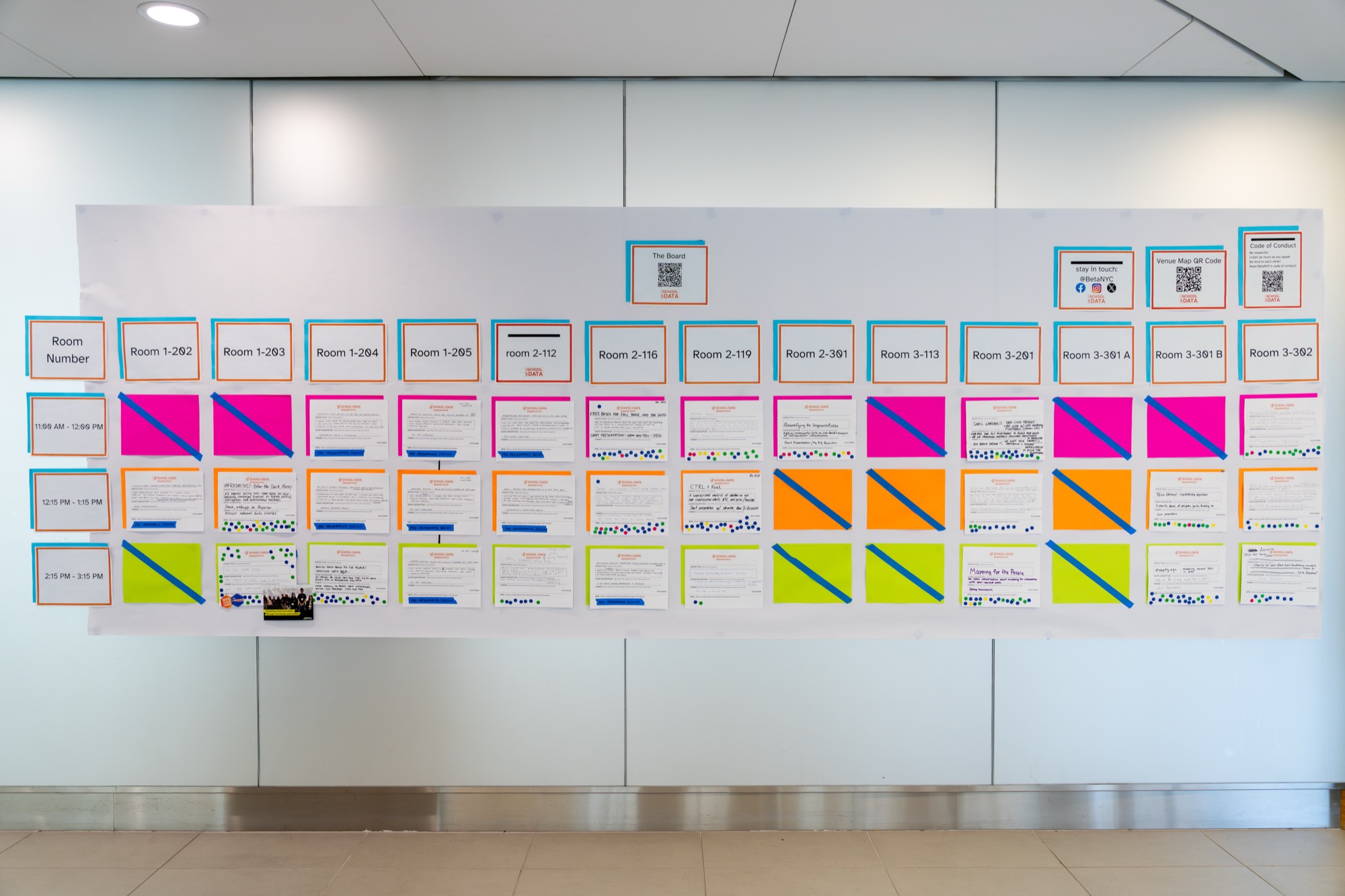
BetaNYC's yearly conference during NYC Open Data Week, where New Yorkers meet the people working on the City's data, technology, and design. The program mixes talks, hands-on workshops, lightning talks, and panels on open data, public interest tech, and better public services.
A follow-on day to School of Data with no fixed program. Attendees pitch session ideas, vote on the ones they want to join, and the day's agenda is built on the spot from the results.
I managed the volunteers and assisted in organizing the event.
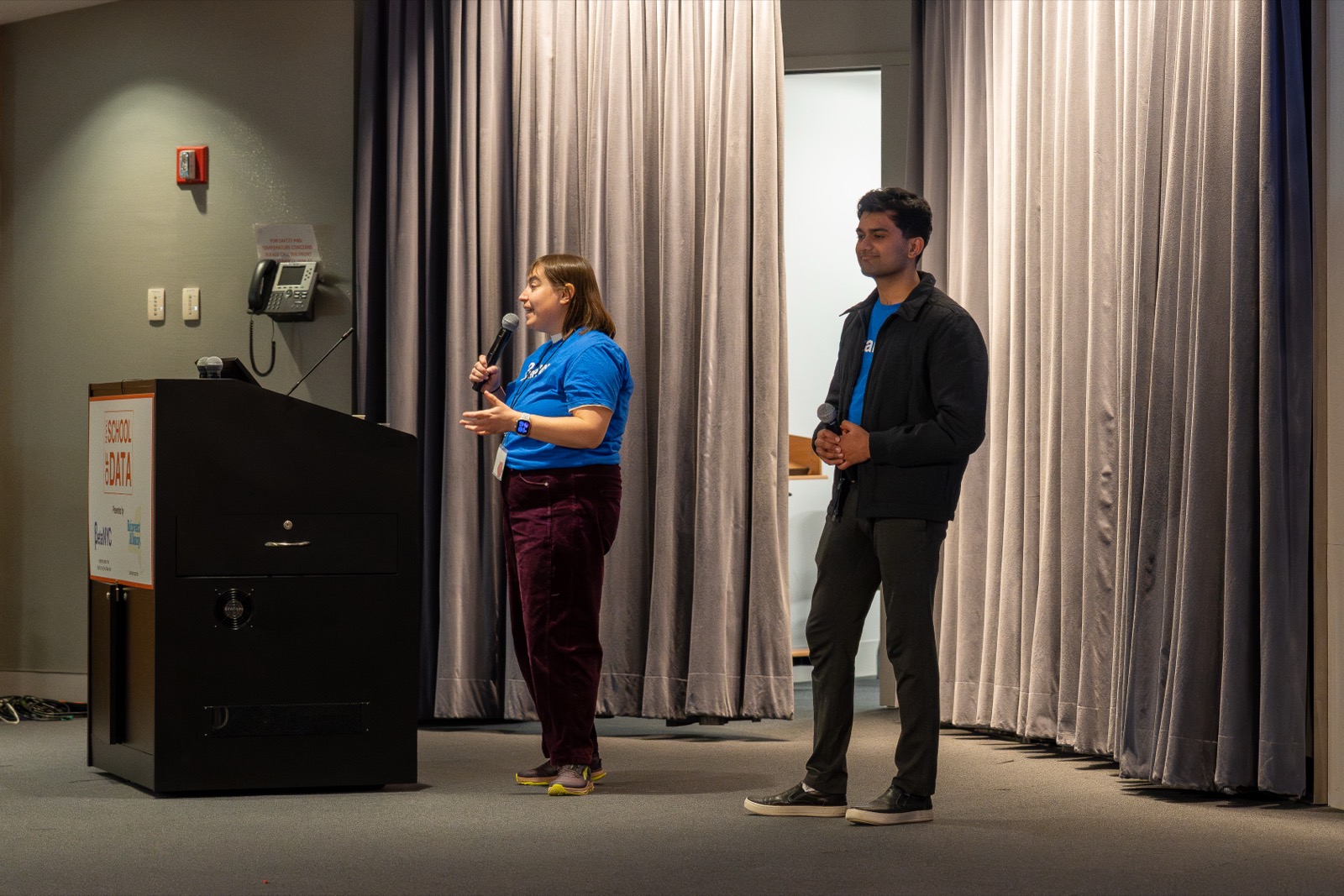
At Unschool of Data, I managed the volunteers again and gave the opening remarks.
| Name | Date | Kind |
|---|
The NYC Admin Code Chatbot answers questions about the NYC Administrative Code, the city's book of local laws. It was designed to help New Yorkers understand their rights under local law, and built with responsible tech and responsible AI in mind, keeping a human in the loop: a person reviews and checks what the AI produces rather than relying on it alone. The core of the project is translating law into something code can search accurately: the legal text is split into smaller pieces, or chunks, so that each question is matched to the exact passage that answers it. The chatbot then answers from that passage instead of from general knowledge, a setup called retrieval-augmented generation, or RAG.
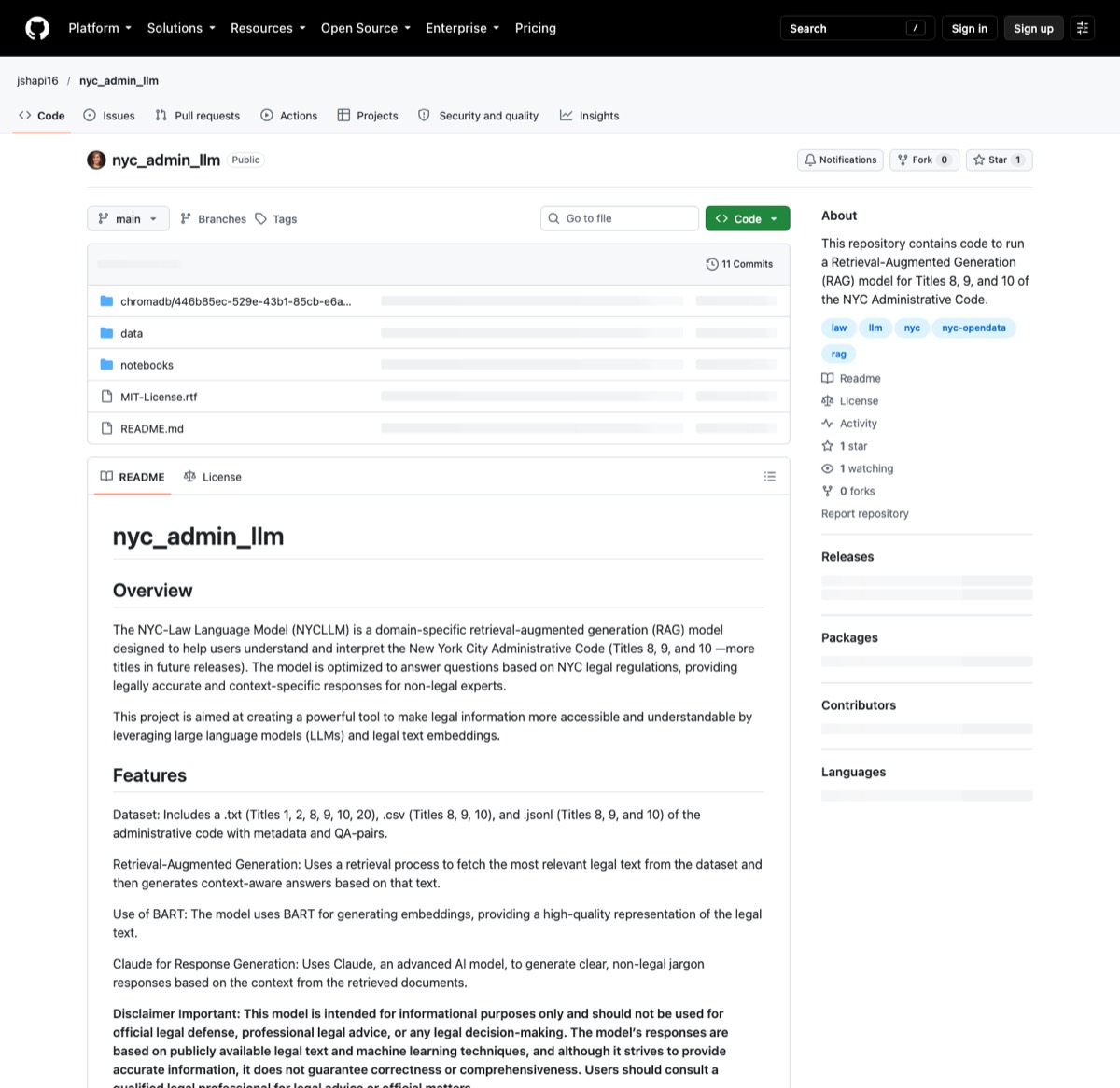
This model is intended for informational purposes only and should not be used for official legal defense, professional legal advice, or any legal decision-making. Users should consult a qualified legal professional for legal advice or official matters.
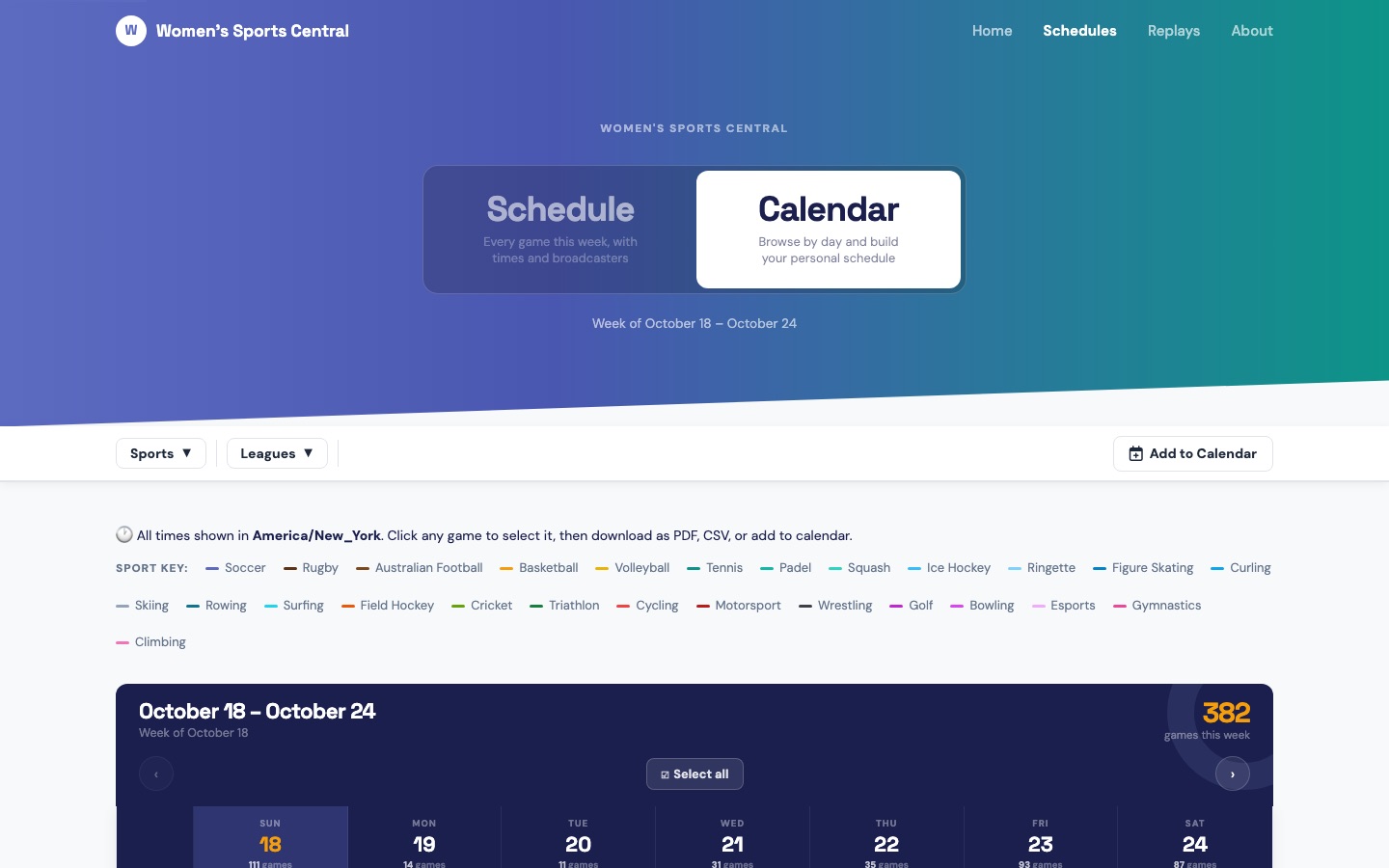
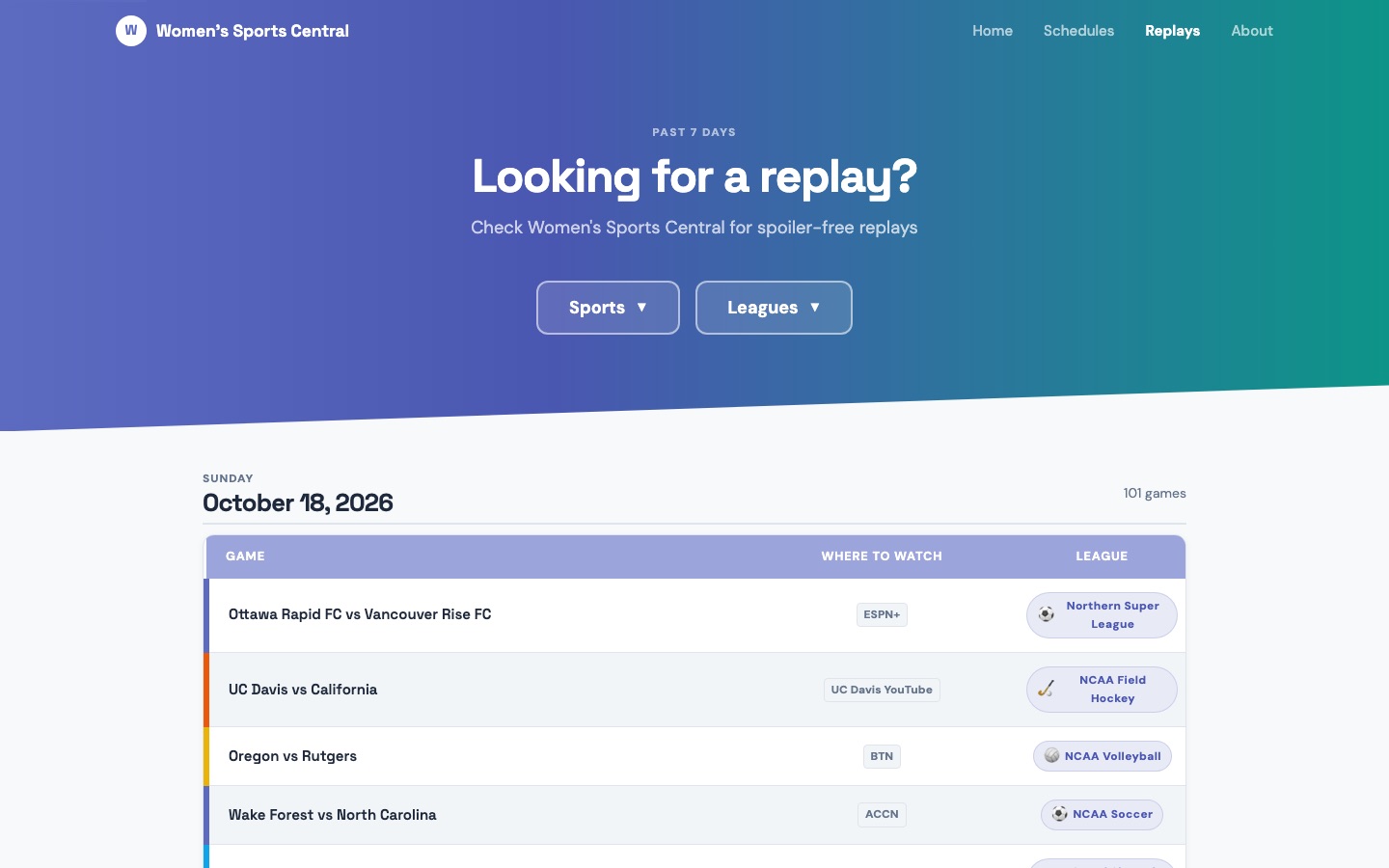
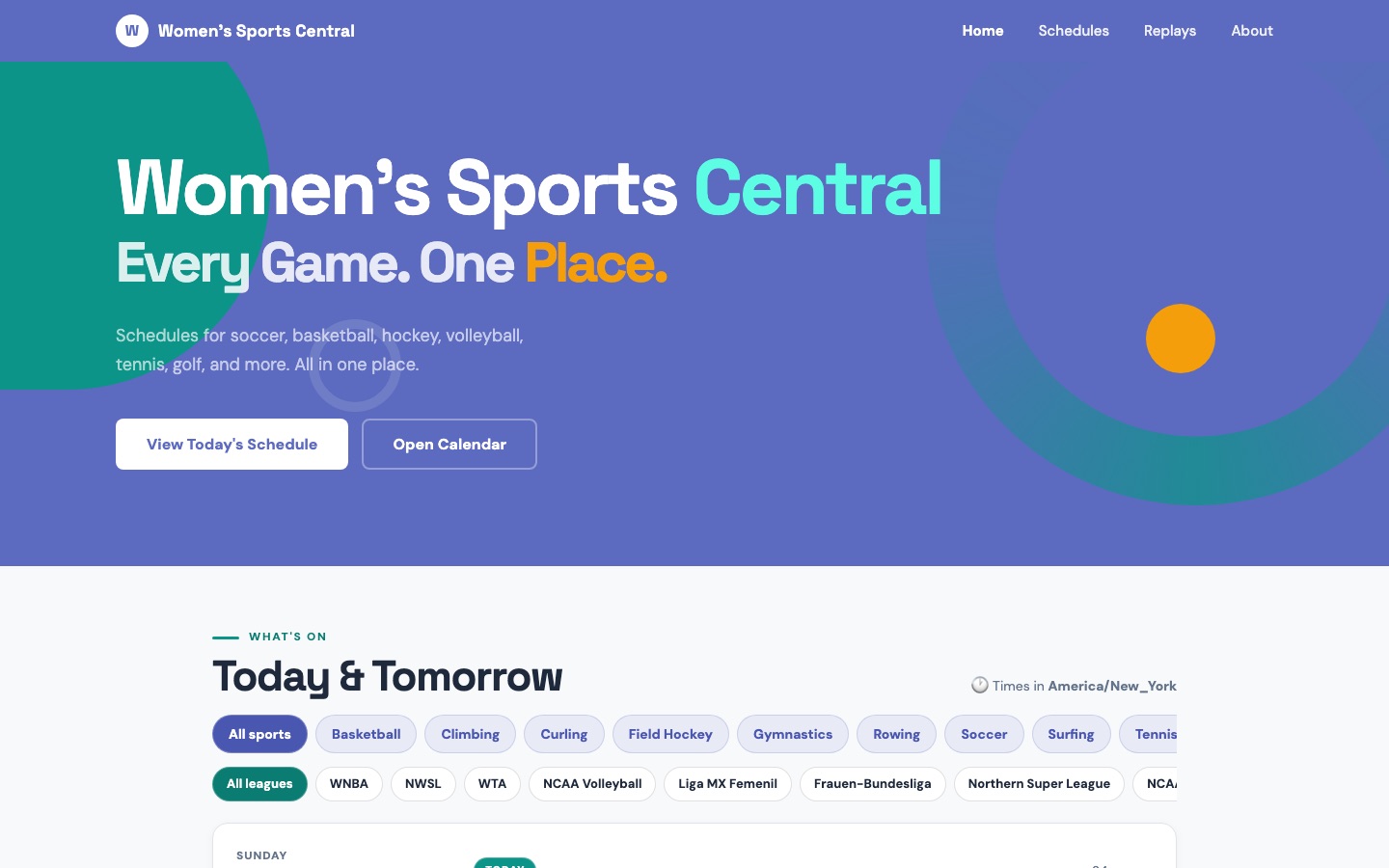
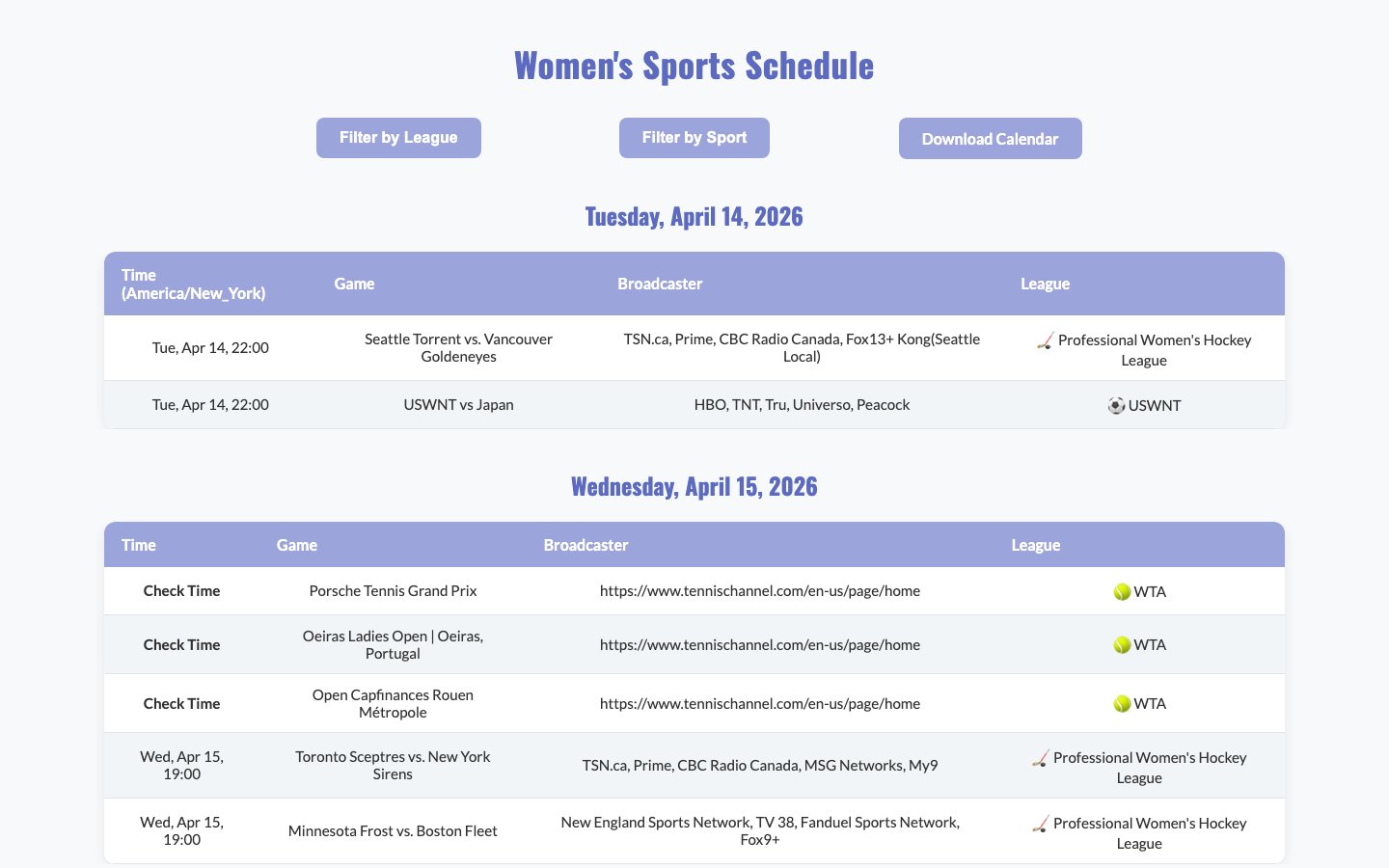
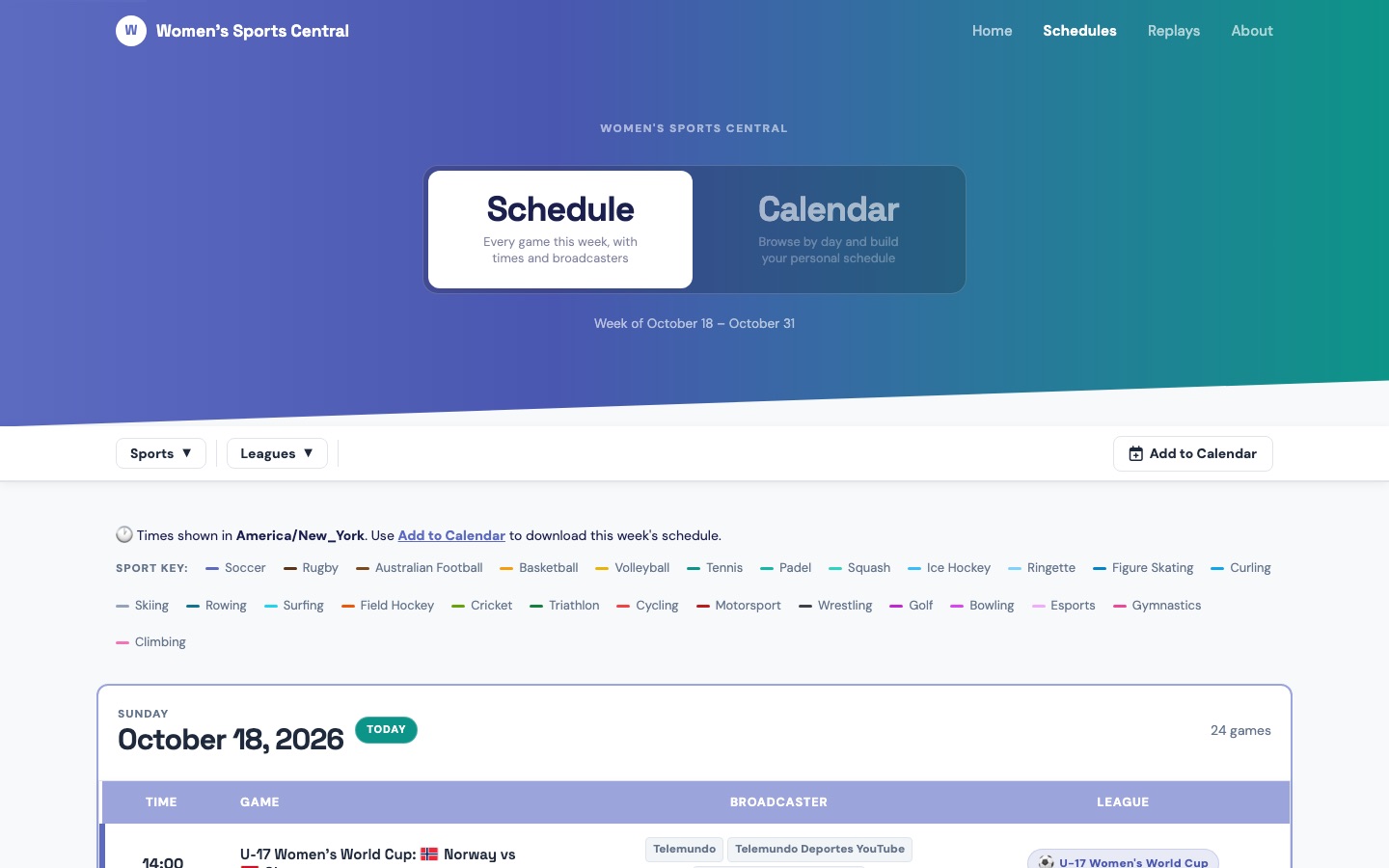
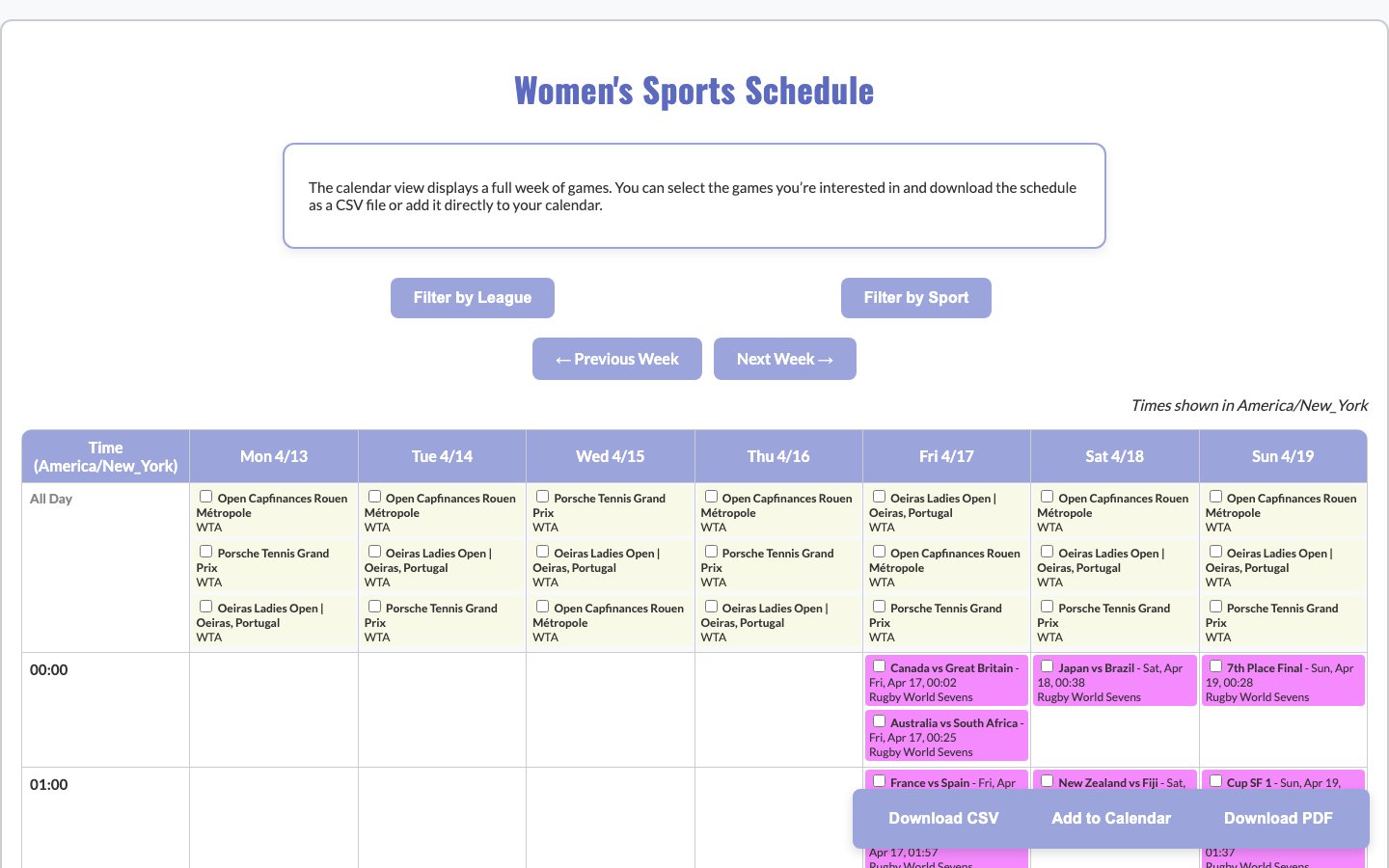
Women's Sports Central is a site that aggregates women's sports games from over 168 leagues into one place. Each game lists its start time in the visitor's own time zone and the broadcaster or stream to watch it on, so fans only have to go to one site to find a game. The goal is to help build a culture around knowing when women's sports are on, and to bring more leagues, more sports and more athletes into view.
I rebuilt the site's pages in summer 2026. On the left is the site on April 14, 2026. On the right is the site today.


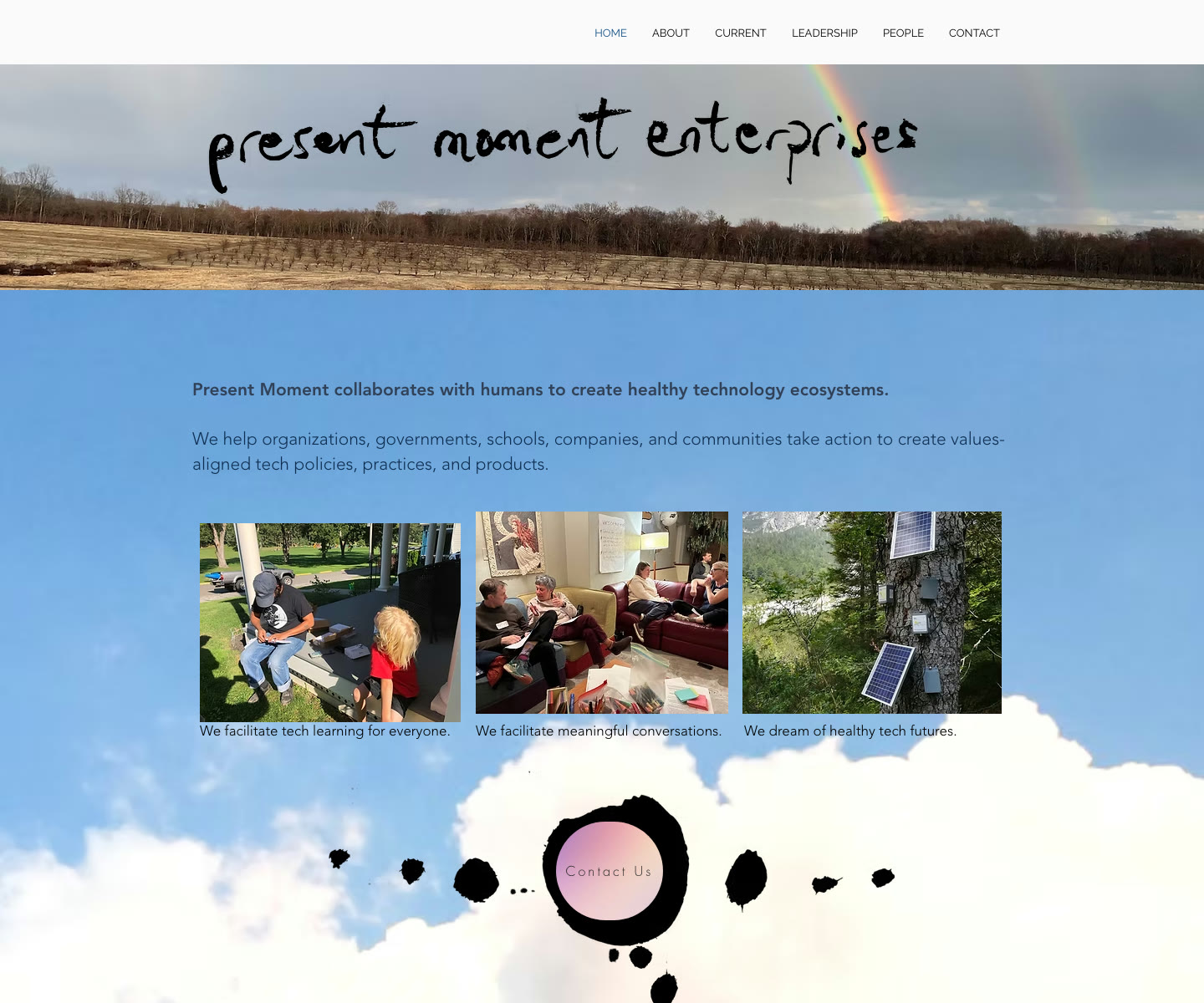
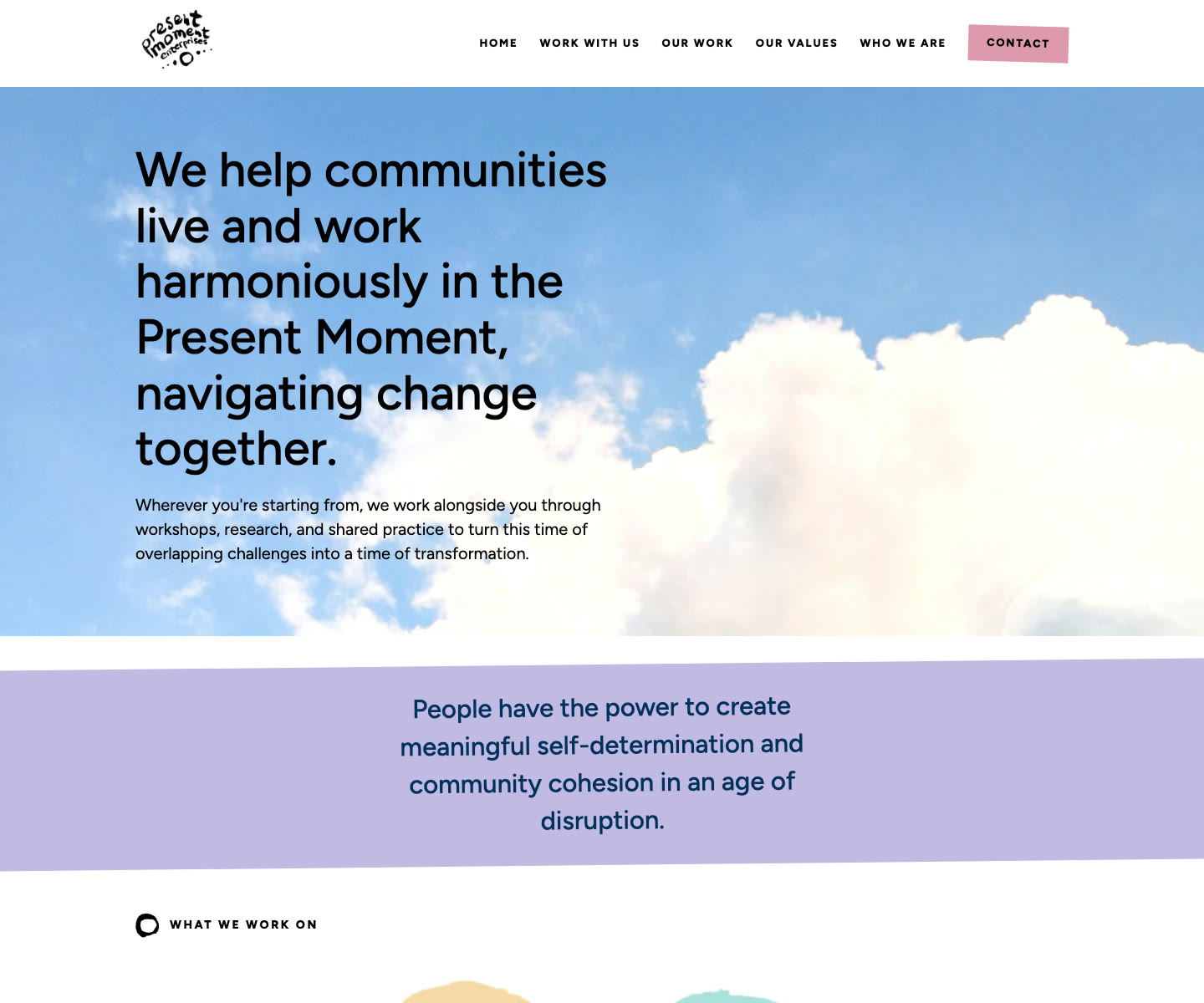
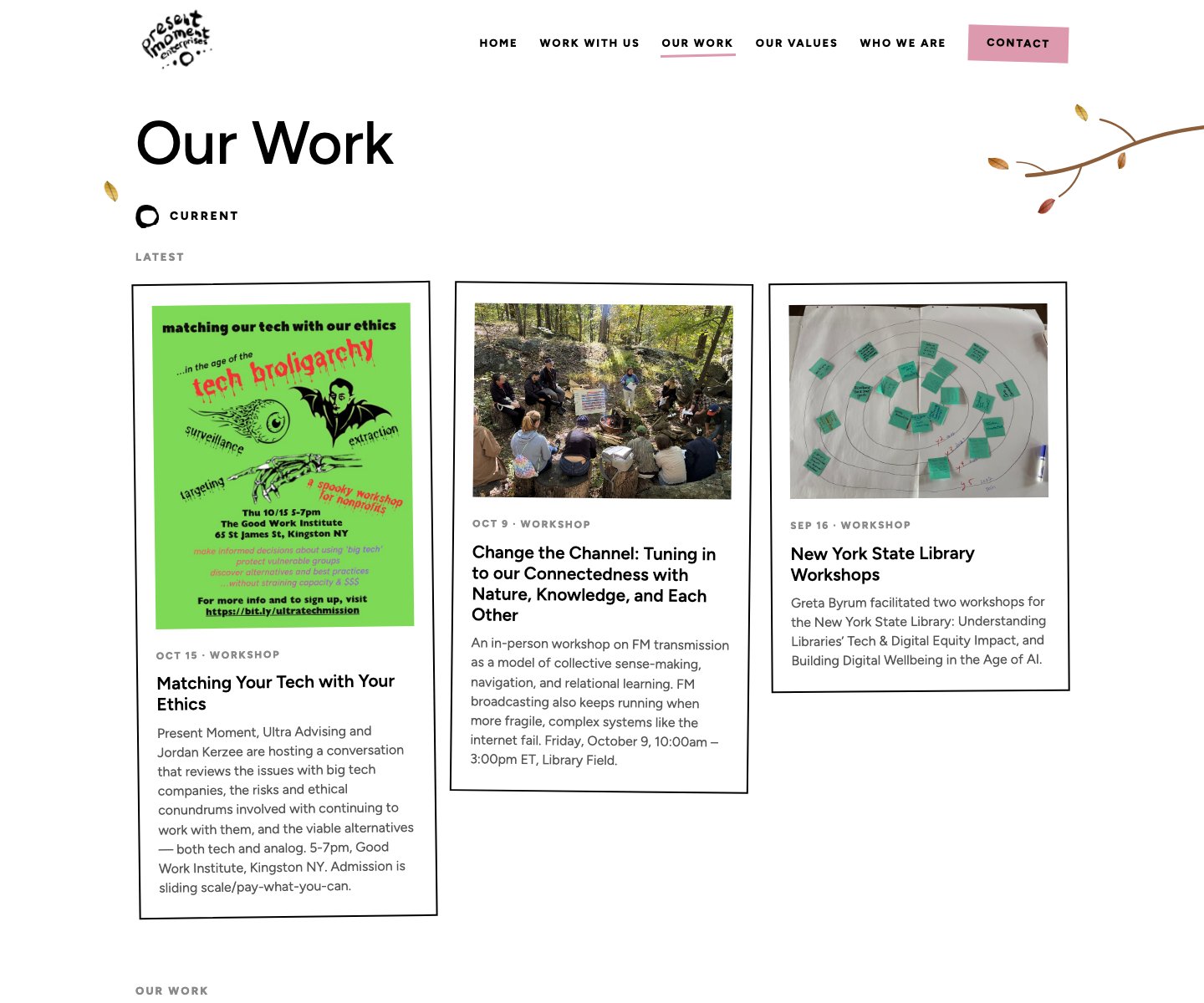
Helping a small business move off a website builder to a custom-built website it owns. The goal is a living portfolio: a site the team can keep adding to, so it reflects what the group does and what it values.
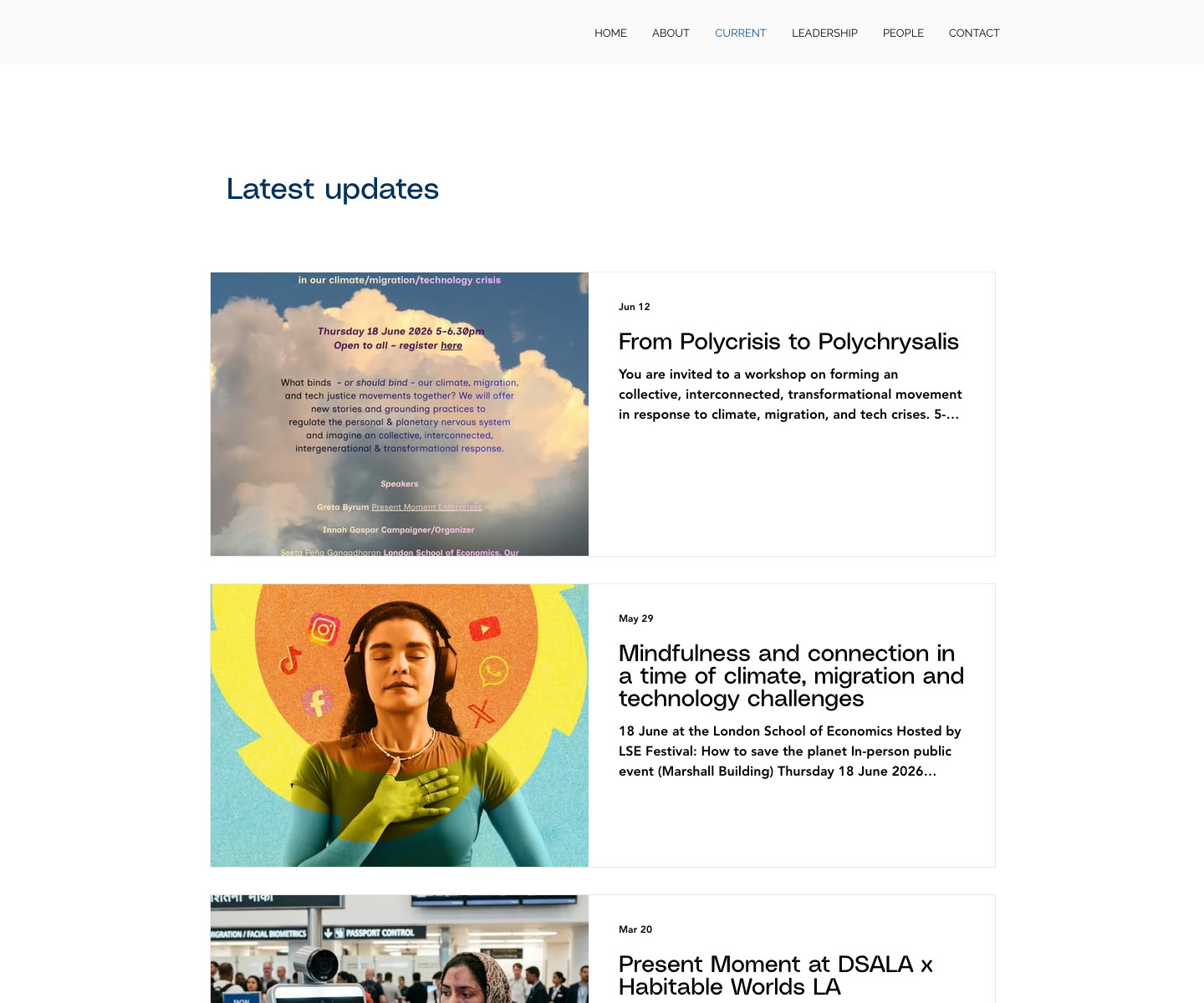
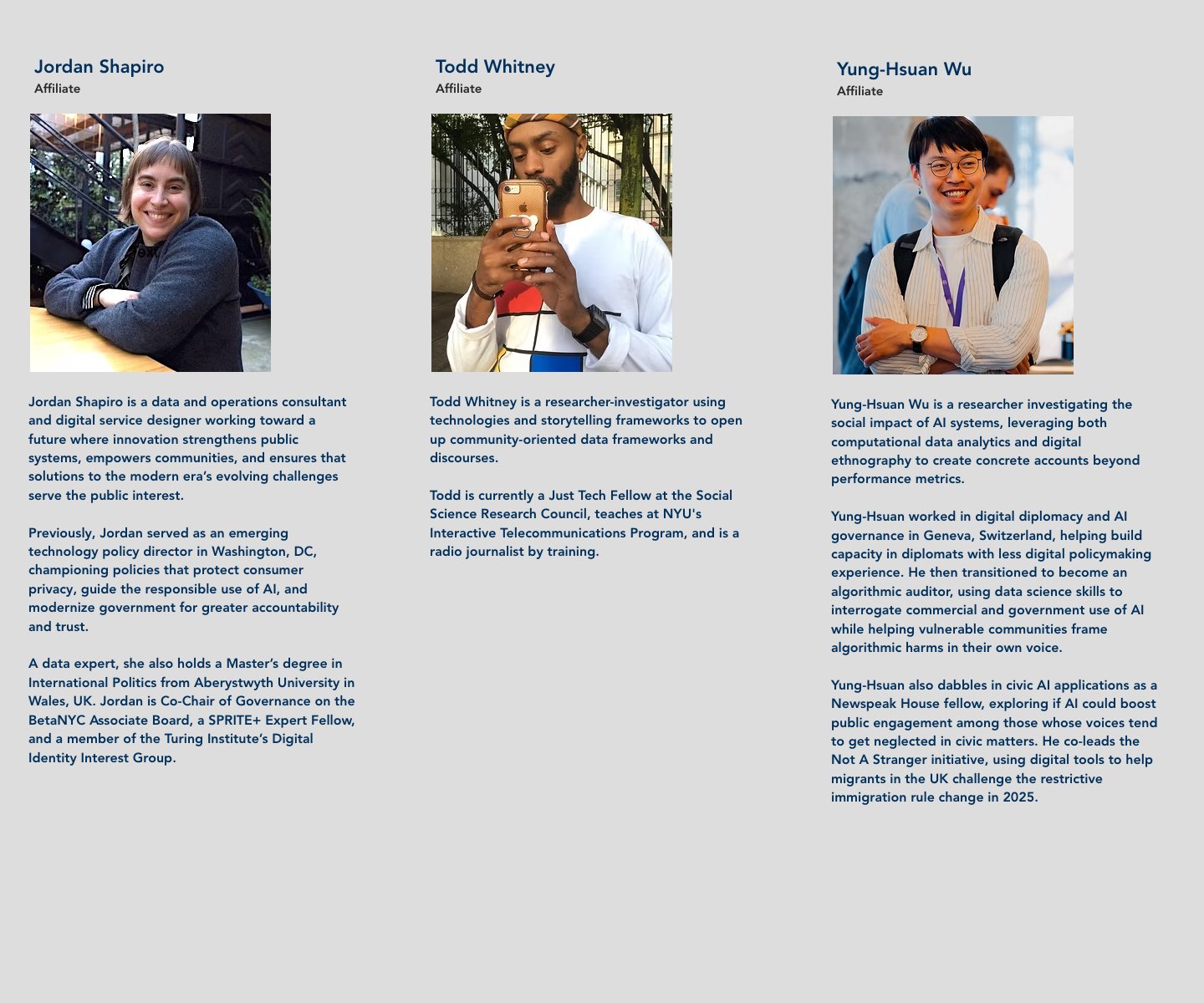
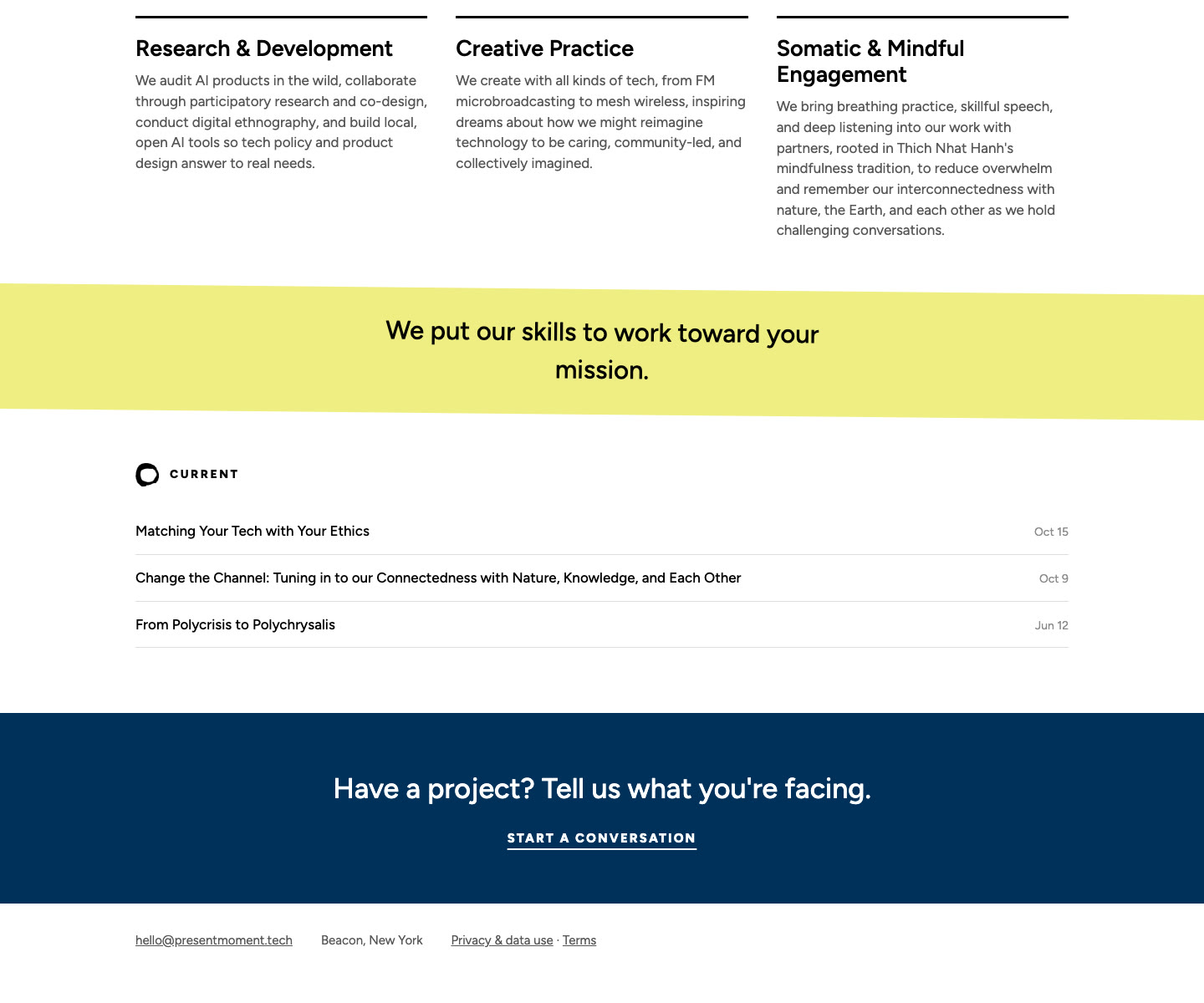
The old Wix site is on the left; the new site is on the right. PME has moved off Wix to a custom-built site it owns, which the team can change and add to as the work grows. PME's work spans workshops, research, guides and consulting across tech, climate, community planning and mindfulness. The new site groups that range into clear offerings and links each one to past projects in the portfolio, so a visitor can follow what PME does from a single offering to the work behind it.

Custom team workspace software brings client management, project management, to-do lists and more into one place. This bespoke project management software and CRM can be built right into your organization's own website. Because it's custom, it includes the tools your organization needs and skips the ones it doesn't, and there are no per-seat licenses to pay for as the team grows.
The demo uses synthetic data. Changes you make there reset when you reload.
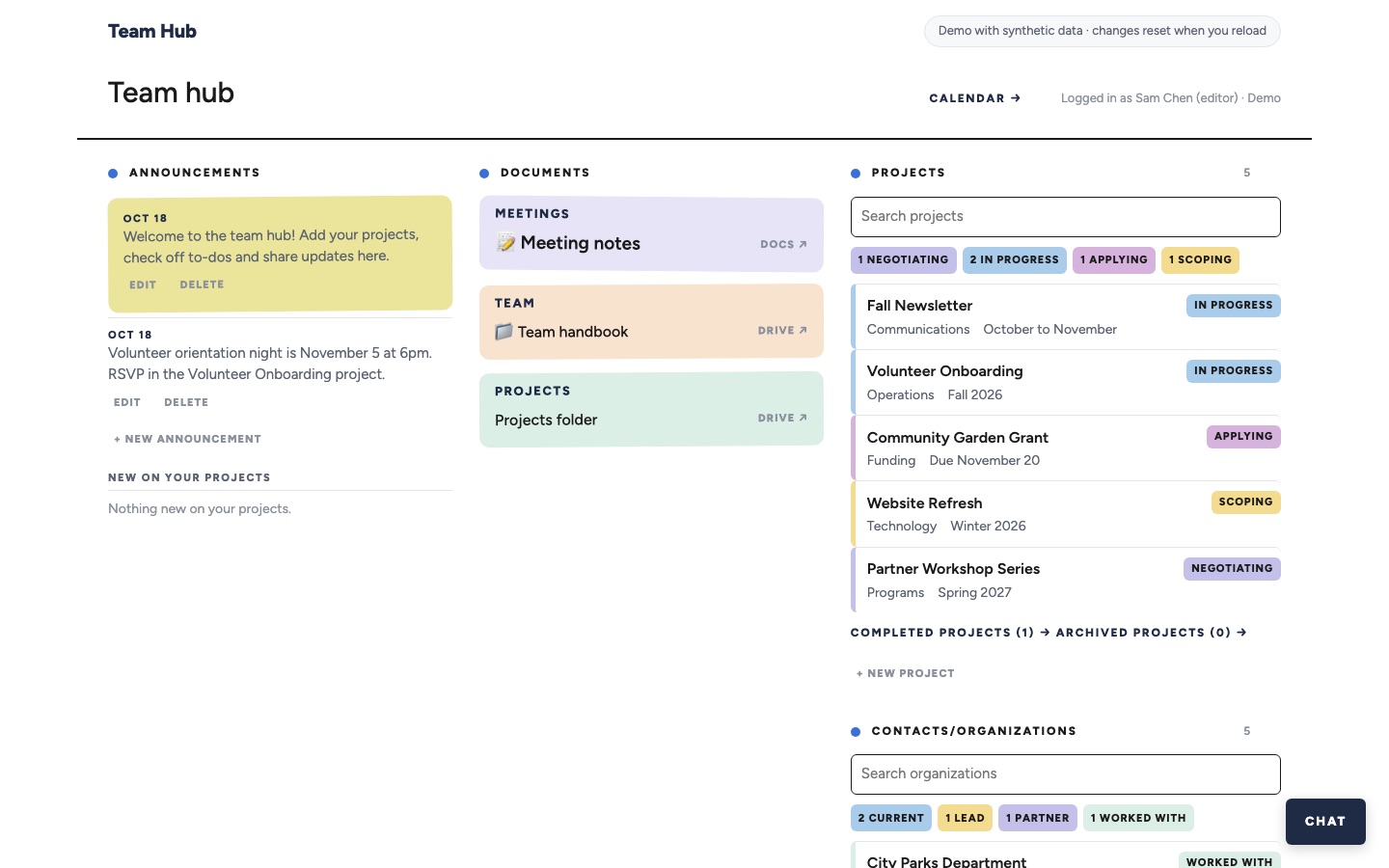 Home ↗
Announcements, documents, every project and every organization on one page.
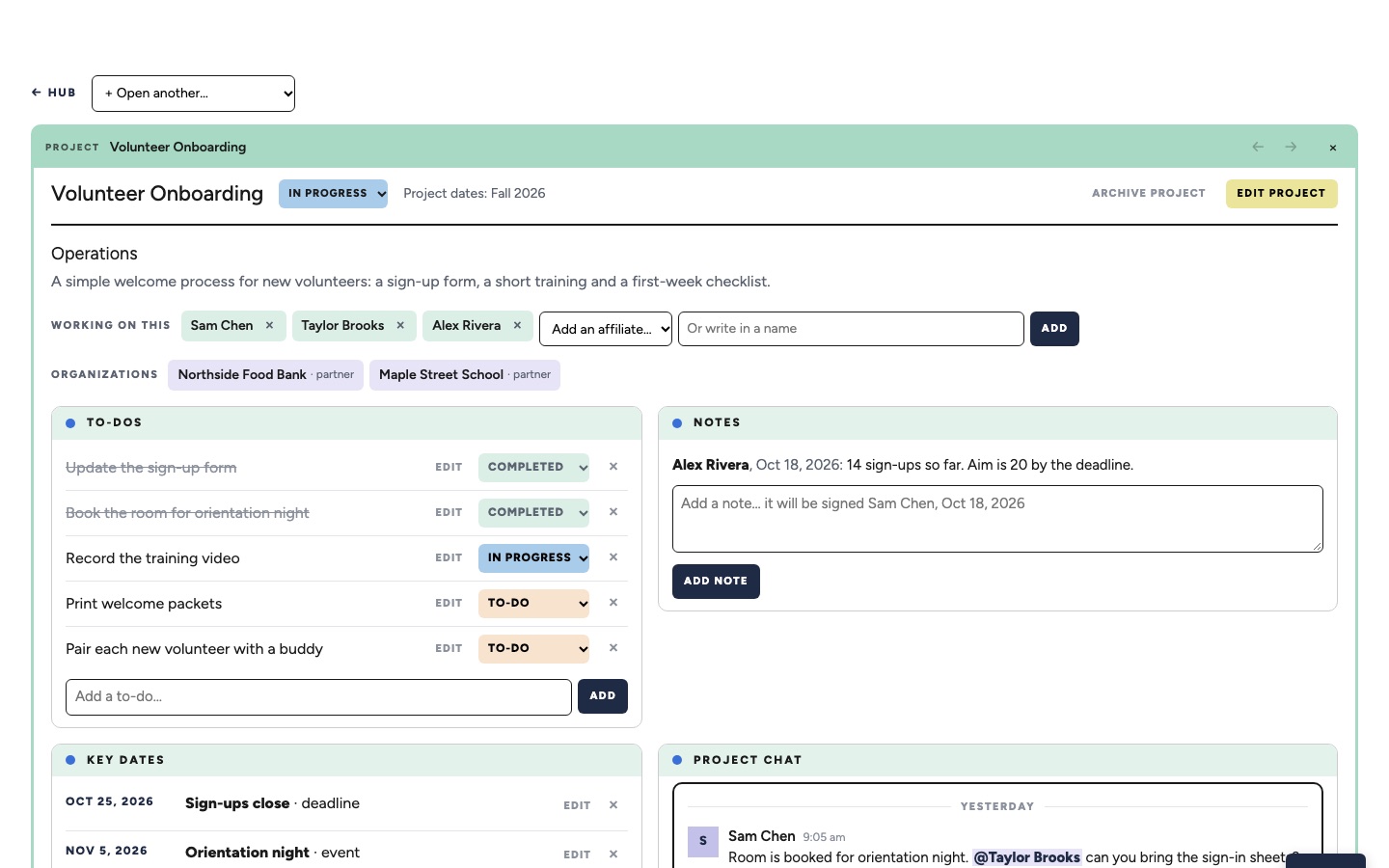 A project ↗
Who is on it, to-dos, notes, key dates, documents and the project chat.
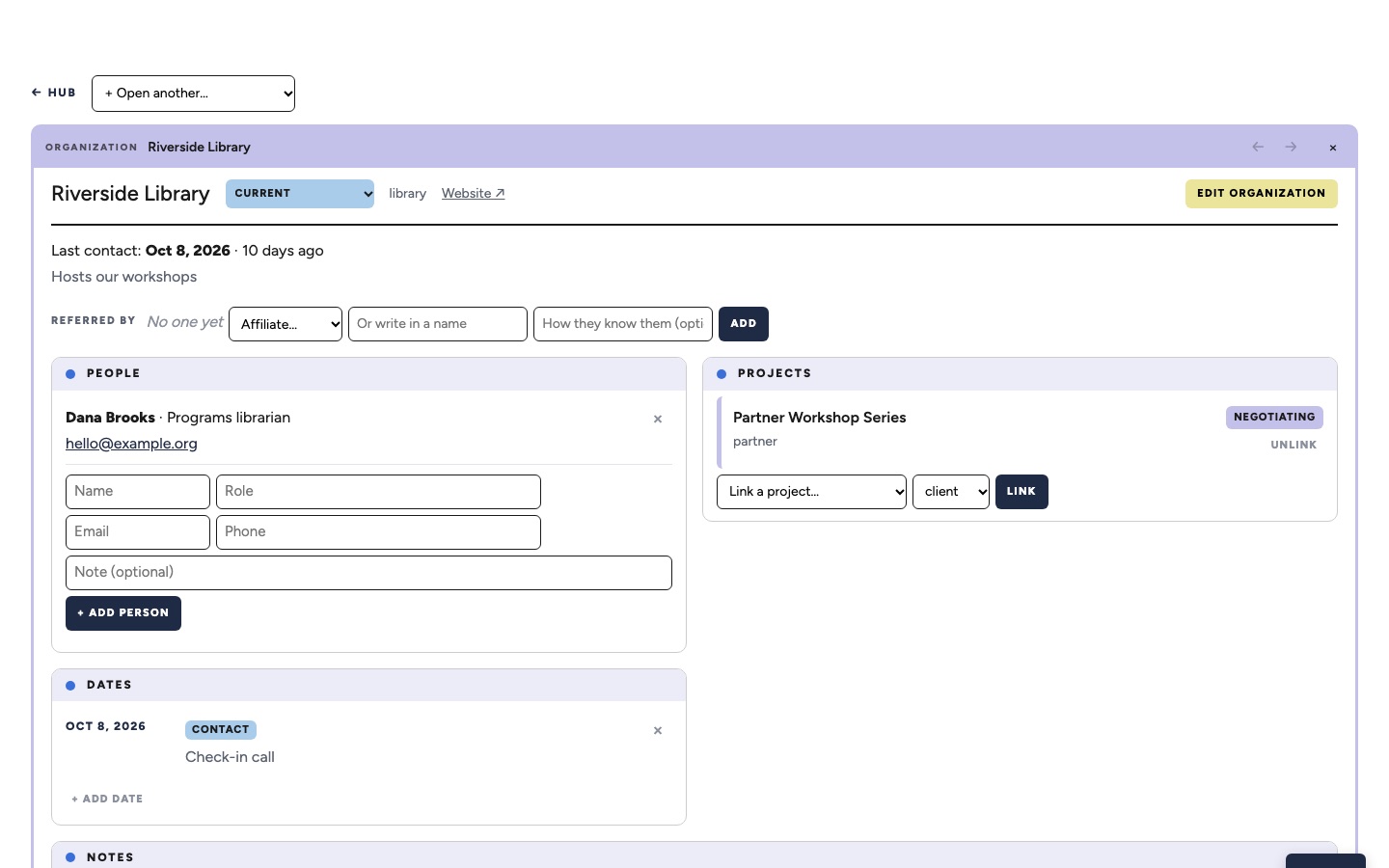 An organization ↗
Contacts, linked projects, last contact and notes for each organization you work with.
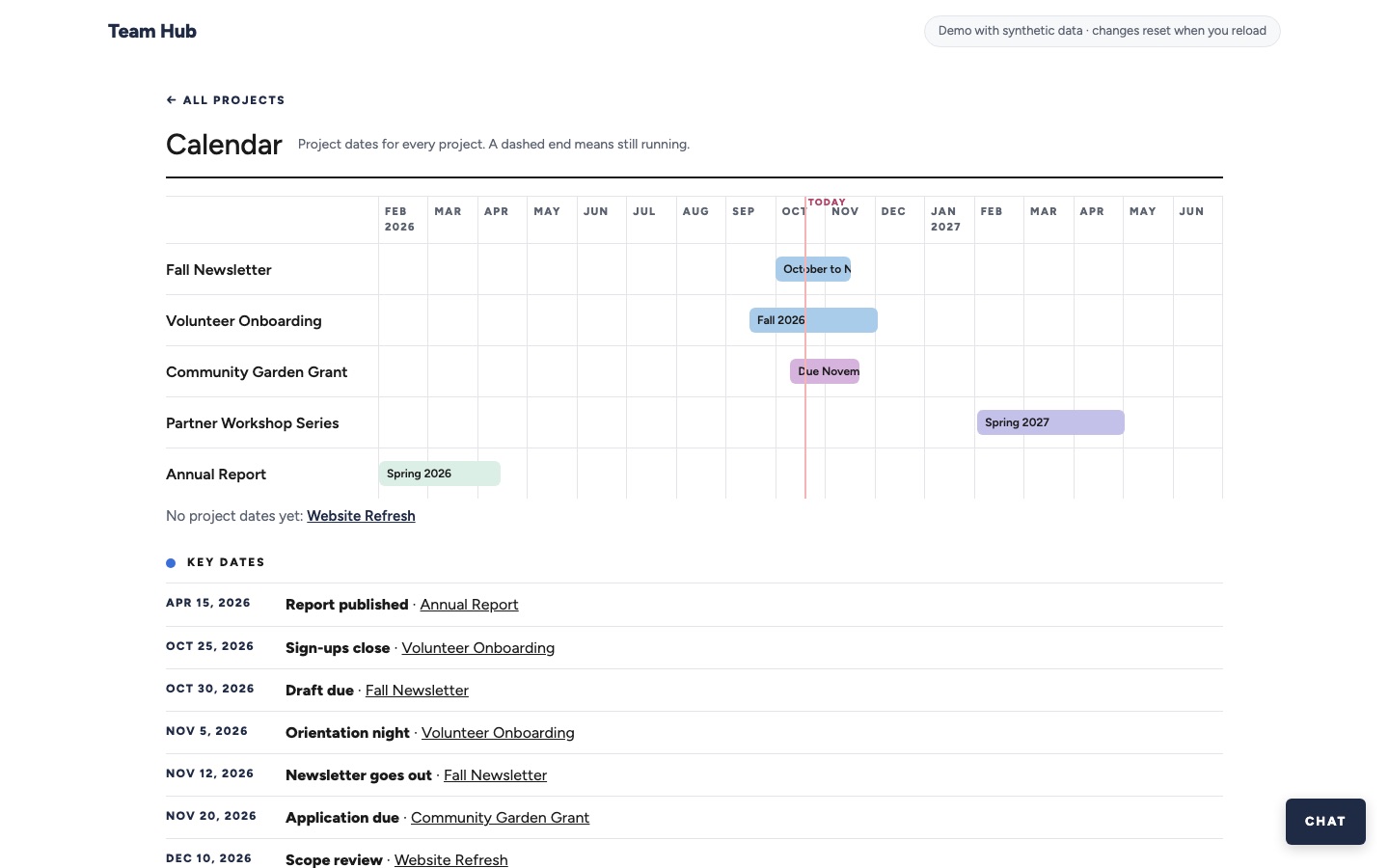 Calendar ↗
Every project on one timeline, with each key date listed below.
Global Student Embassy (GSE) was a Berkeley nonprofit that trained young people to lead on the environment and in their communities. Students in California, Ecuador and Nicaragua took on local ecological problems through hands-on "eco-action" projects, and worked with peers in the other countries through cultural exchange and travel.
GSE worked with middle school, high school and university students, and with the teachers, schools and communities around them. Its idea was that a school can be the center of a community: when students lead, families, businesses and nonprofits invest in that place for years to come.
Director of Operations, and Travel and Outreach Manager, August 2016 to August 2018. I ran operations and kept programs running with our partners in Ecuador and Nicaragua, managed the university program that trained students to organize their peers and travel to partner communities, and ran the 10,000+ record Salesforce database behind it all, working with staff in four countries.
A GSE trip to Cuenca with high school students from San Francisco.



Public interest technologist and community organizer. I am the bridge between the policy wonks and the technologists. With a master's in international politics, I help people navigate the policy landscape, and build the operations systems, full stack applications, and agentic workflows communities run on.
Data and operations consultancy for nonprofits and small businesses. Project management, tool building, technology advising, community organizing, and policy advocacy.
Women's Sports Schedule API and Website, womensportcentral.com
BetaNYC (client, civic technology nonprofit, New York)
Tech and operations support
Op-eds, The Hill
Panelist / speaker
Interviews / quotes
Research
Python (Pandas, BeautifulSoup, Selenium, Flask, NLTK, Matplotlib, Seaborn, TensorFlow), SQL, Salesforce, HubSpot, Airtable, Google Apps Script, Notion, Git, Render
Want this for your team, or have a project in mind? Send a note and I'll get back to you.
Public interest technologist · [model year or tagline]
Public interest technologist and community organizer. I help people navigate the policy landscape, and build the operations systems, full stack applications, and agentic workflows communities run on.